Every May and June, Borneo comes alive with the rhythmic thrum of gongs, the sweet aroma of fermenting rice wine and undeniable spirit of unity. These celebrations are often grouped together as “Borneo’s Harvest Festivals”. While both Kaamatan and Gawai are deep, sacred expressions of thanksgiving for a bountiful rice harvest, they belong to distinct indigenous cultures separated by geography, history and unique ancestral mythologies.
For travellers looking to experience the cultural heartbeat of East Malaysia, understanding these nuances is essential. Here is your definitive guide to Borneo’s twin harvest festivals.
What is Kaamatan Harvest Festival? (Sabah)
Celebrated throughout the month of May and culminating on May 30th and 31st, Kaamatan is the harvest festival of Sabah. It is primarily observed by the Kadazan-Dusun community, the state’s largest indigenous group, though it is embraced by Sabahans of all backgrounds.
At its core, Kaamatan is deeply spiritual, rooted in an ancient creation myth of profound sacrifice. According to legend, the supreme almighty deity, Kinorohingan, sacrificed his only daughter, Huminodun, to save his people from a devastating famine. From her buried body parts grew the first paddy crops, her flesh became rice, her teeth became corn and her spirit transformed into Bambarayon, the Rice Spirit.
To this day, Kaamatan is a tribute to Huminodun’s ultimate love. The festival is traditionally ushered in by the Bobolian (ritual priestesses), who conduct sacred chants to appease and guide Bambaazon. Today, the modern climax of the festival takes place at the Kadazan Dusun Cultural Association (KDCA) in Penampang, featuring traditional activties, Sumazau dancing and the highly anticipated Unduk Ngadau (Harvest Queen) cultural pageant, which crowns a young woman who embodies the values of Huminodun.
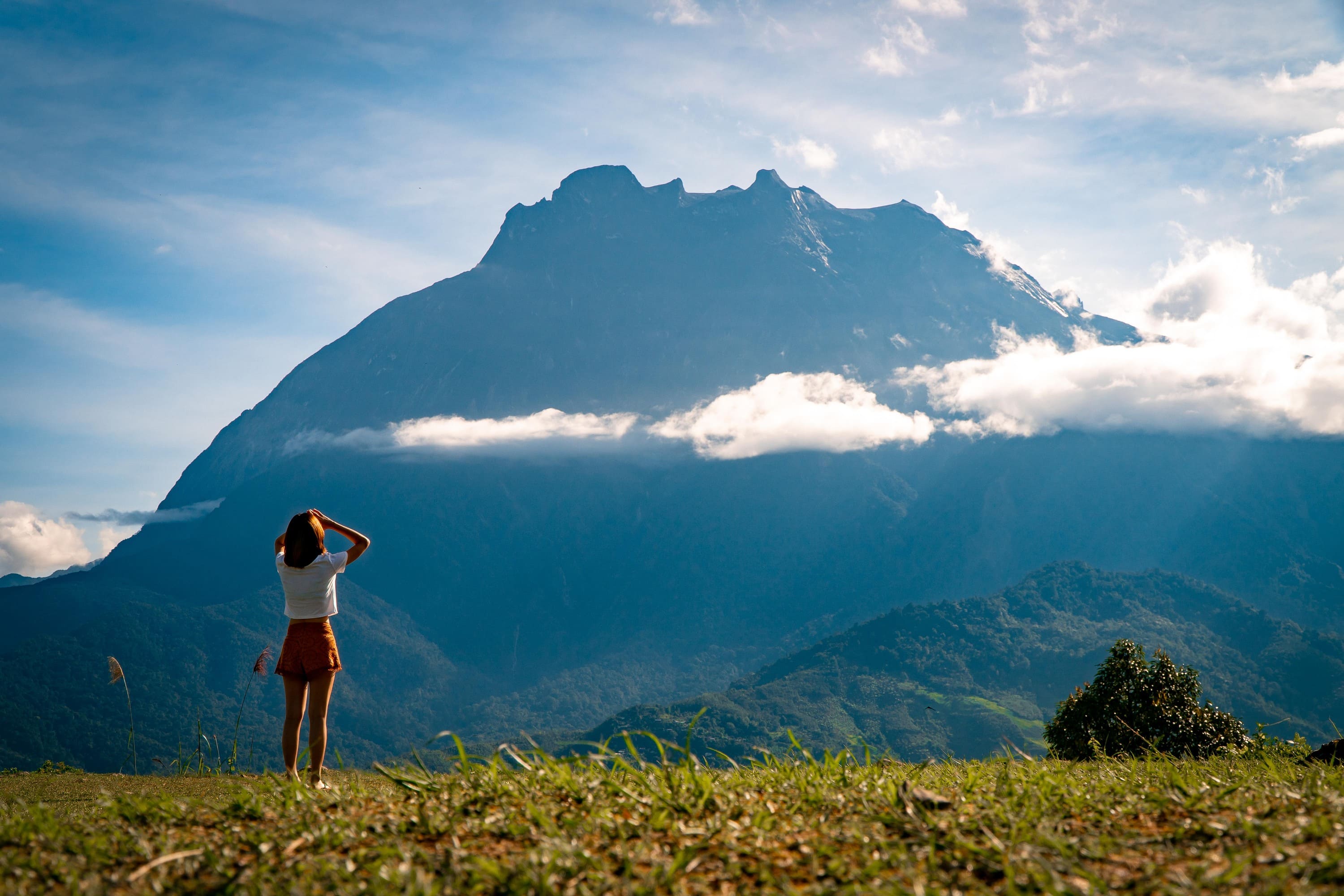
Explore Sabah's culture with us:
What is Gawai Harvest Festival? (Sarawak)
Just as Kaamatan draws to a close, Gawai begins. Officially celebrated on June 1st and 2nd, Gawai is Sarawak’s grand harvest thanksgiving festival. It is celebrated by the Dayak people, an umbrella term encompassing the Iban, Bidayuh, Orang Ulu and Kayan communities.
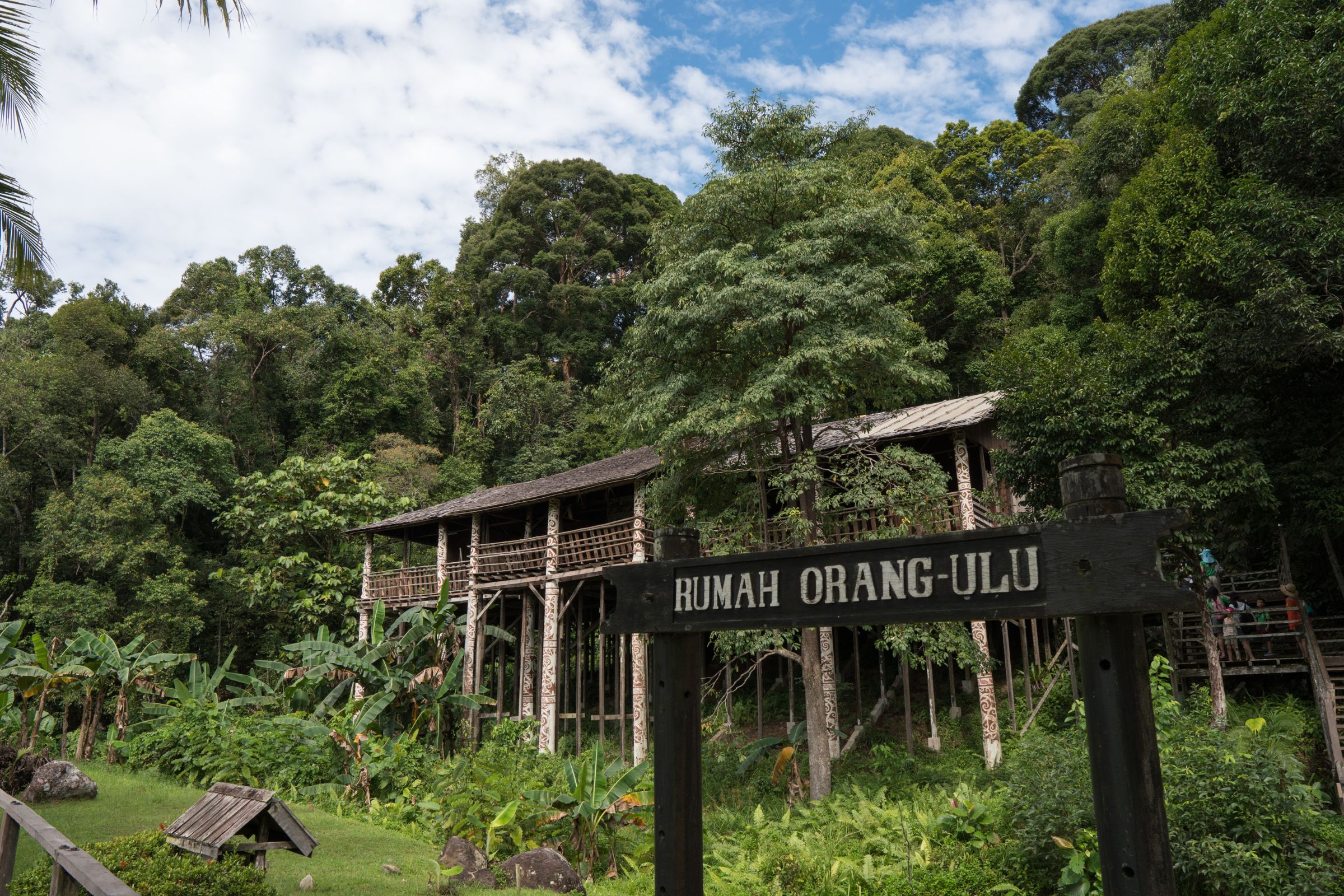
Unlike Kaamatan’s focus on a single sacrificial myth, Gawai is an expansive thanksgiving feast dedicated to the gods and ancestral spirits (Petara) for a successful harvest and a prayer for future prosperity. The epicentre of Gawai celebrations is the traditional rumah panjang (longhouse).
The festival begins on Gawai Eve with a cleansing ritual known as Muai Antu Ruai to cast out bad luck. As night falls, the Ngirup Pengayu (long life toast) is raised with tuak (rice wine) precisely at midnight to usher in the new year. Days of celebration follow, marked by the performance of the striking Ngajat dance, the display of elaborate woven textiles (Pua Kumbu) and the competitive Kumang and Keling Gawai cultural pageants.
Explore Sarawak’s culture with us:
The Shared Soul of Borneo: Similarities
While distinct, Kaamatan and Gawai share an identical underlying philosophy: deep-seated gratitude to the earth and the preservation of community ties.
The Sacredness of Rice
In both cultures, rice is not merely a staple crop; it is a living entity, a gift from the divine that sustains human life.
Liquid Hospitality
Both festivals are fueled by traditional homemade rice wines, called Lihing or Tapai in Sabah and Tuak in Sarawak. Sharing a drink is a sign of respect and acceptance.
Open House Cultures
The concept of Moginakan (Sabah) and Gawai Open House (Sarawak) means that doors are flung open. Strangers and families alike are welcomed to feast together.
Kaamatan vs Gawai
To fully appreciate these festivals, one must look at the unique cultural markers that differentiate them:
| Feature | Tadau Kaamatan (Sabah) | Hari Gawai (Sarawak) |
|---|
| Primary Communities | Kadazan, Dusun, Murut & Rungus community | Iban, Bidayuh & Orang Ulu (Dayak) community |
| Traditional Attire | Black velvet with gold embroidery (Sinuangga’/ Gaung) | Intricate beadwork, silver coins and woven Pua Kumbu |
| Signature Sound | Mid-tempo, hypnotic brass gongs accompanying the Sumazau dance | Fast, metallic chime of the Engkerumong and the stringed Sape |
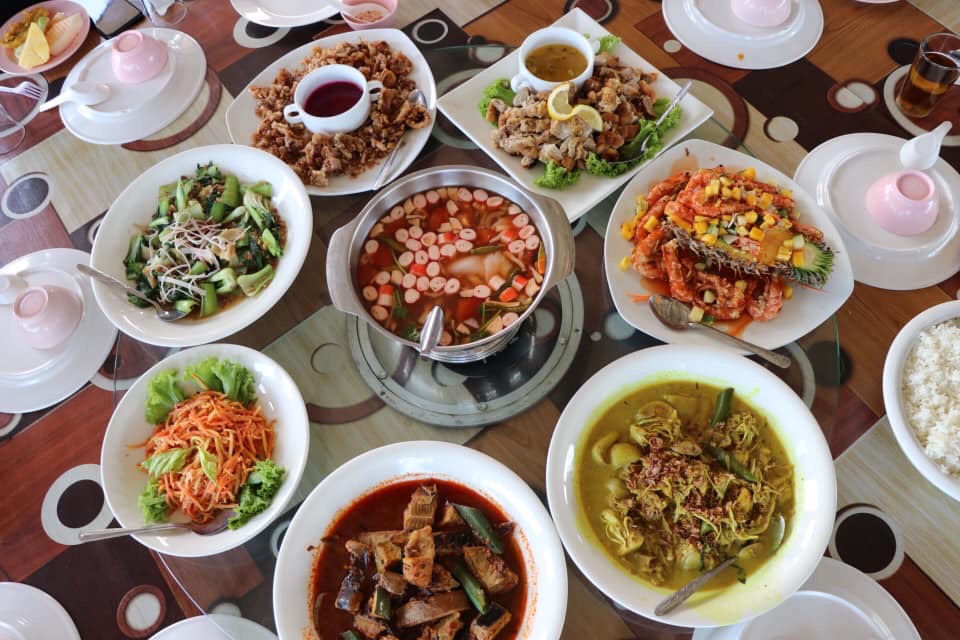
| Culinary Highlights | Hinava (marinated raw fish), Bambangan (wild mango pickled with chilli) | Manok Pansoh (chicken cooked in bamboo over open fire), Penyaram (sweet rice cakes) |
| Dates | May 30th & 31st | June 1st & 2nd |
A First-Timer’s Guide to Experiencing Borneo’s Harvest Festivals Respectfully
Participating in Borneo’s harvest festivals is an unforgettable experience, but as an outsider entering sacred or communal spaces, cultural sensitvity is vital.
Dress for the Occasion
While you aren’t expected to wear full traditional regalia, dressing modestly is required, especially when entering a longhouse or attending official cultural rituals.
Accept Hospitality Graciously
If a longhouse chief or an elder offers you a glass of tuak or lihing, it is a gesture of goodwill. If you cannot drink alcohol for religious or health reasons, politely place your hand over the glass and bow your head slightly to acknowledge the gesture.
Ask Before Aiming Your Lens
The festivals are highly photogenic, but remember that these are living traditions and personal spaces. Always ask for permission before taking close-up portraits of village elders, priestesses or dancers.
Plan Your Logistics Early
Because these festivals involve mass migration back to family villages, flights, car rentals and tour guides book out months in advance.
Conclusion
Kaamatan and Gawai are far more than mere calendar holidays; they are the living, breathing proof of Borneo’s resilient indigenous heritage. Whether you find yourself swaying to the gentle Sumazau in Sabah or raising a glass of tuak under the rafters of a Sarawakian longhouse, experiencing these harvest festivals offers a profound look into the soul of Malaysia. They remind us that no matter how fast the world modernises, there will always be a time to pause, give thanks to the land and celebrate community.
Ready to experience the real Borneo? Beyond the iconic sights lies a world of ancient longhouse traditions, rich local flavours and vibrant cultural festivals. Let our local experts craft a customised itinerary tailored perfectly for your travel style.
Chat with our team on WhatsApp and let us map out your dream trip.