Getting around Malaysia is relatively straightforward once you understand the country’s geography. Peninsular Malaysia has the most extensive rail and express-bus networks, while flights, road transfers and boats play a greater role in Sabah and Sarawak.
No single transport mode suits every itinerary. Urban rail and e-hailing work well in Kuala Lumpur, trains and buses connect many Peninsular cities, and domestic flights are usually the most practical way to travel between Peninsular Malaysia and Malaysian Borneo.
Quick Answer: What Is the Best Way to Get Around Malaysia?
| Journey | Best option |
|---|
| Between Peninsular Malaysia, Sabah and Sarawak | Domestic flight |
| Around Kuala Lumpur and the Klang Valley | MRT, LRT, monorail, commuter rail or e-hailing |
| Between major Peninsular cities | Train, express bus or domestic flight |
| Smaller towns and rural attractions | Rental car, private transfer or organised tour |
| Islands and coastal resorts | Ferry, speedboat or resort transfer |
| Around Kota Kinabalu or Kuching | E-hailing, walking, local bus or arranged transfer |
| Remote parts of Sabah and Sarawak | Flight, road transfer, boat or organised tour |
| Compact heritage districts | Walking, local bus or e-hailing |
Travelling Between Peninsular Malaysia, Sabah and Sarawak
Domestic flights are normally the most practical way to travel between Peninsular Malaysia and the East Malaysian states of Sabah and Sarawak. They are also useful for covering longer distances within Malaysian Borneo.
Before booking, check:
- The airport and terminal shown on your ticket
- Cabin and checked-baggage allowances
- Transport from the arrival airport
- Whether the final destination requires another road or boat journey
- The time needed between separately booked connections
A flight does not always complete the journey. Wildlife lodges, national parks, islands and rural communities may requireseveral additional hours by road or boat.
Keep Your Travel Documents Accessible
Travellers pass through immigration controls when entering or leaving Sabah and Sarawak, including on domestic journeys. Foreign visitors should keep their passport and valid immigration pass accessible, while Malaysian citizens should carry accepted identification and their boarding pass.
Is there a train between Peninsular Malaysia and Borneo?
No. Sabah and Sarawak are on the island of Borneo, across the South China Sea from Peninsular Malaysia, so travellers normally fly between the two regions.
Overland travel between Sabah and Sarawak is possible, but journeys may be long and can pass through Brunei. Travellers using this route should check Brunei’s current passport, visa and arrival-registration requirements before departure.
Getting Around Kuala Lumpur and the Klang Valley
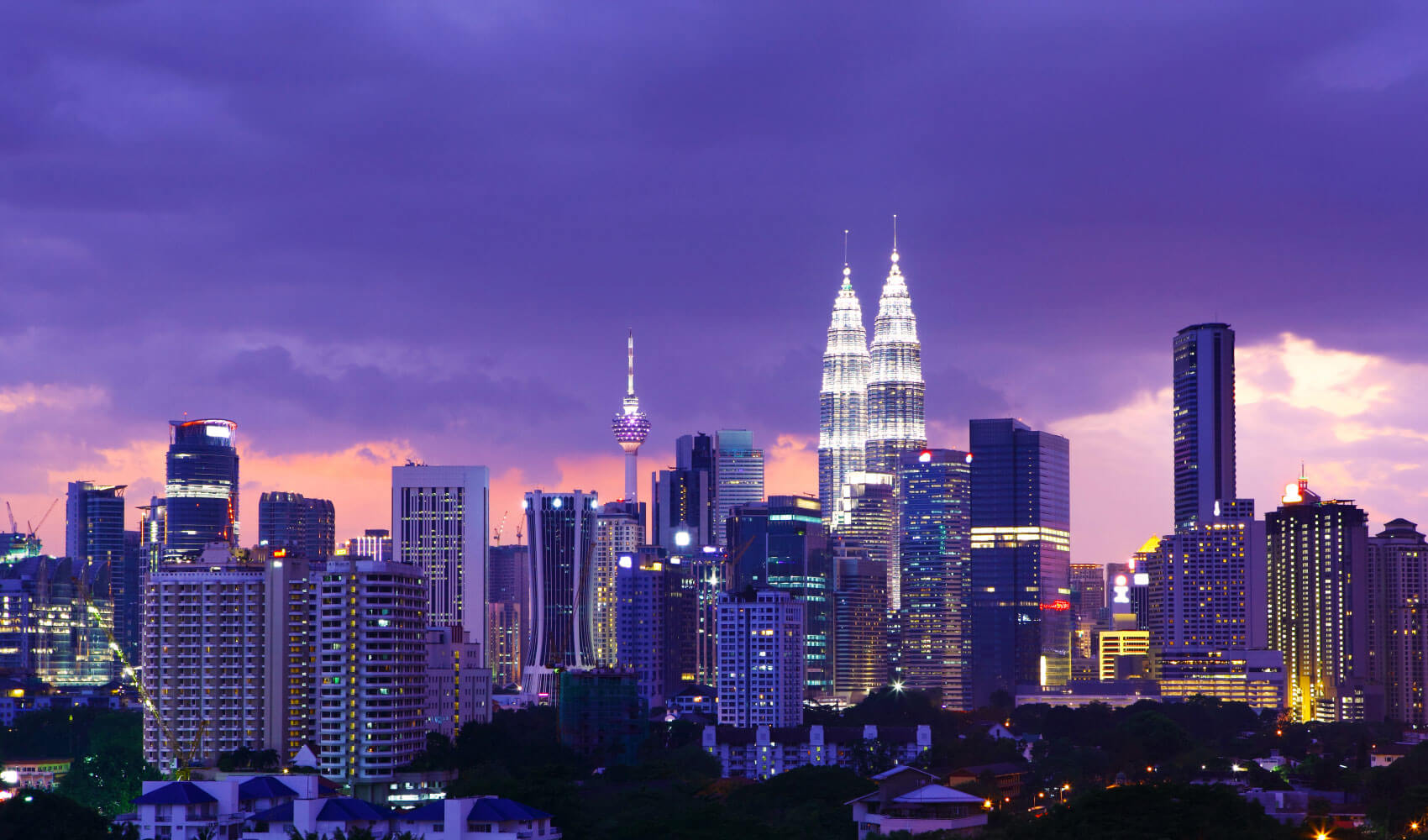
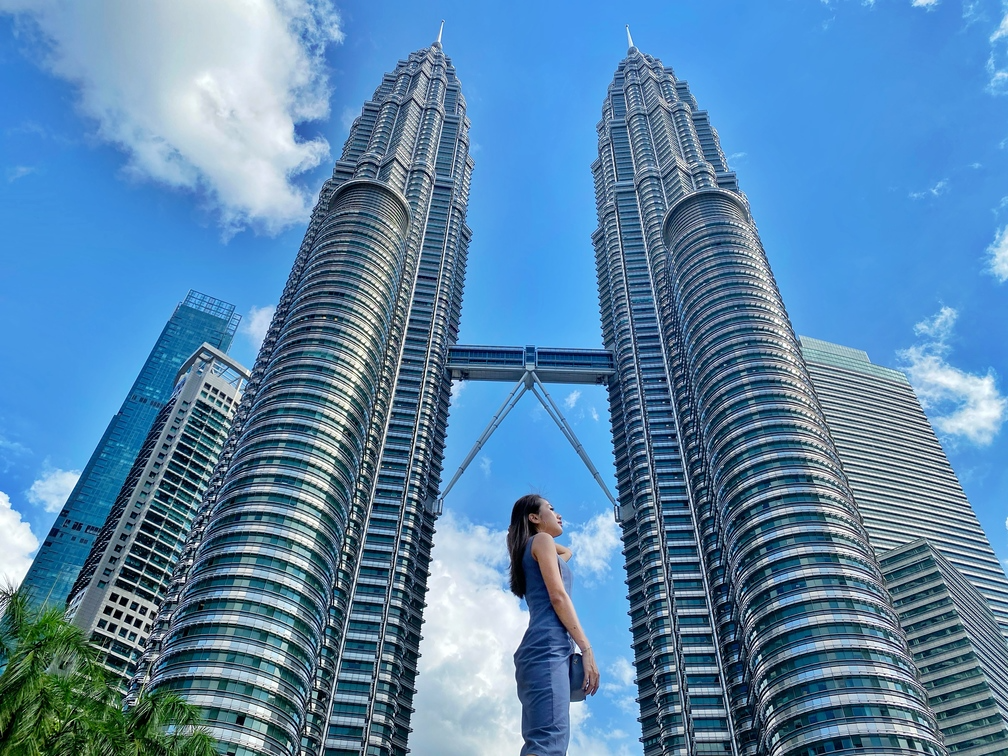
Kuala Lumpur has Malaysia’s most extensive public-transport network. The MRT, LRT, KL Monorail, KTM Komuter and bus services cover central Kuala Lumpur and much of the surrounding Klang Valley.
Rail is convenient for areas near stations, including KLCC, Bukit Bintang and Chinatown. Travellers may still need to walk, change lines or use e-hailing for the first and final parts of a journey.
Practical tips:
- Stay near an MRT, LRT or monorail station where possible.
- Use e-hailing when an attraction is not within comfortable walking distance.
- Check station names and current service alerts before travelling.
The MyRapid PULSE app and web journey planner cover Rapid KL rail and bus services. They can suggest routes, interchanges and estimated journey times.
Travelling Between Kuala Lumpur and KLIA
KLIA Ekspres is the faster airport rail option between KL Sentral and Kuala Lumpur International Airport during regular operations. KLIA Transit uses the same corridor but stops at Bandar Tasik Selatan, Putrajaya and Cyberjaya, and Salak Tinggi.
Airport buses, e-hailing vehicles, taxis and private transfers are also available. The most suitable option depends on your arrival time, accommodation, luggage and group size.
Kuala Lumpur is served by more than one passenger airport. Some flights use Sultan Abdul Aziz Shah Airport in Subang rather than KLIA, so always confirm both the airport and terminal before arranging your transfer.
Sightseeing Option: KL Hop-On Hop-Off Bus
The KL Hop-On Hop-Off Sightseeing Bus connects many of Kuala Lumpur’s major landmarks through City and Garden routes. Passengers can choose a 24-hour or 48-hour pass and leave the bus at designated stops before joining a later service.
It can be useful for first-time visitors who want an overview of the city without planning separate routes between every attraction. However, it should be treated as a sightseeing activity rather than ordinary public transport because waiting and journey times can be affected by Kuala Lumpur traffic.
Click below to book your KL Hop-On Hop-Off tickets!
Travelling Between Cities in Peninsular Malaysia
| Option | Best for |
|---|
| ETS | Major destinations on the electrified west coast corridor |
| KTM Intercity | East Coast and selected southern routes |
| KTM Komuter | Suburban and shorter regional journeys |
| Express bus | Towns without convenient rail access |
| Domestic flight | Longer journeys or limited travel time |
ETS serves major destinations such as Kuala Lumpur, Ipoh and Butterworth for Penang. KTM Intercity covers selected routes towards the East Coast and southern Peninsular Malaysia, while KTM Komuter is mainly intended for suburban and shorter regional journeys.
Common rail journeys include:
- Kuala Lumpur to Ipoh
- Kuala Lumpur to Butterworth for Penang
- Kuala Lumpur to northern Kedah or Perlis
Travellers heading to George Town normally arrive at Butterworth on the mainland and continue by ferry or road.
ETS and Intercity tickets can be searched and booked through KTMB’s official ticketing system. Popular departures may fill around weekends, school holidays and major festivals, so advance booking is sensible.
Express Buses
Express buses can be more practical than trains for destinations such as Melaka, Cameron Highlands and towns without a convenient railway connection. They are also useful for many East Coast routes.
Check the exact departure and arrival terminals, as large cities may have several bus stations. Allow additional time for road traffic, particularly around public holidays and festive periods.
Local Transport in Malaysian Cities
E-hailing is one of the simplest options for short journeys and airport transfers in larger Malaysian cities. Availability is generally strongest in urban areas and less dependable around rural attractions, national parks, remote jetties or late at night.
Do not assume that a return vehicle will be available simply because you found one for the outward journey.
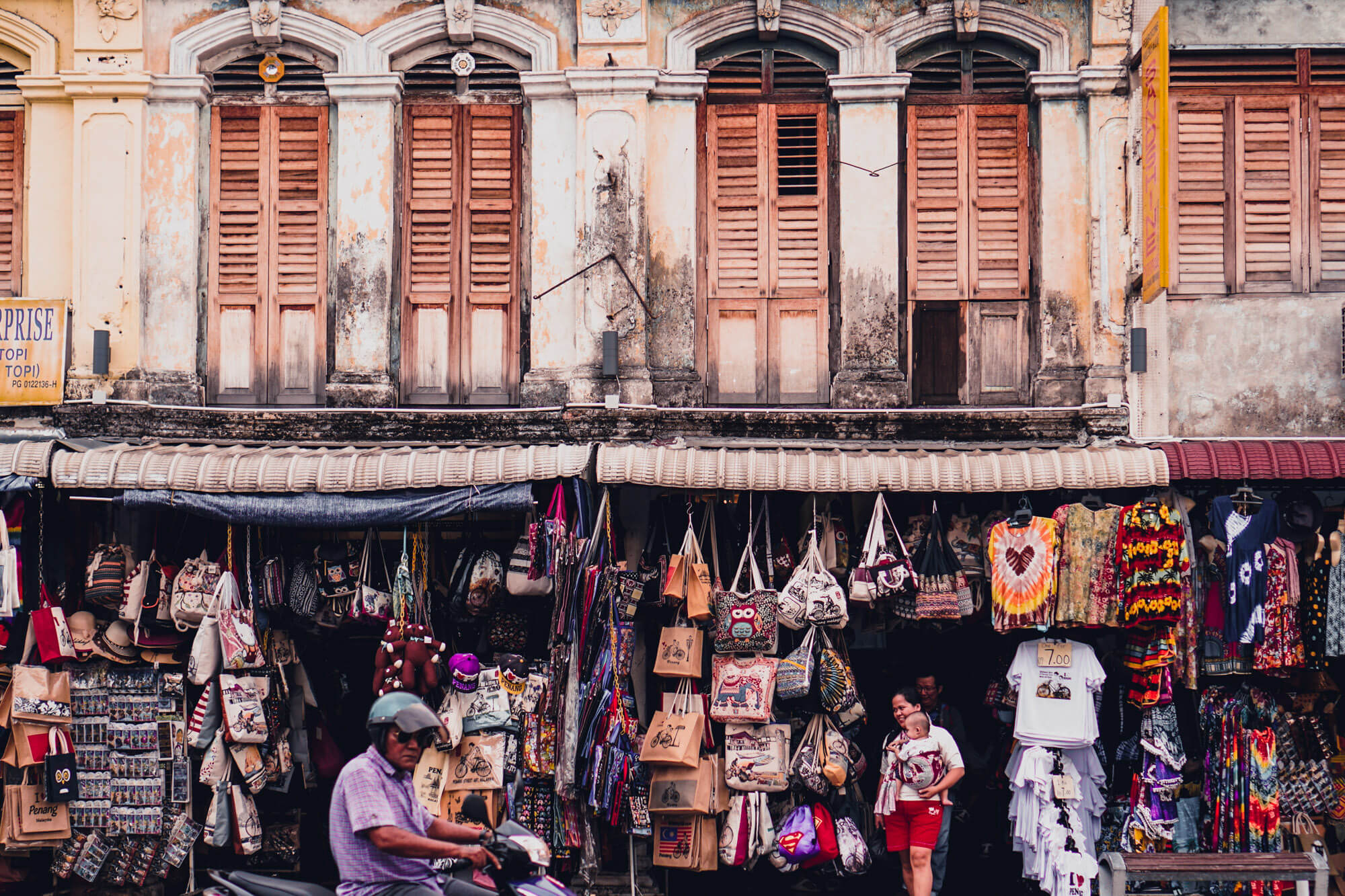
Walking works well within compact districts, but heat, rain, traffic and limited pedestrian connections can make it unsuitable for travelling between widely separated attractions.
| Destination | Commonly practical local options |
|---|
| Penang | Walking, Rapid Penang buses and e-hailing |
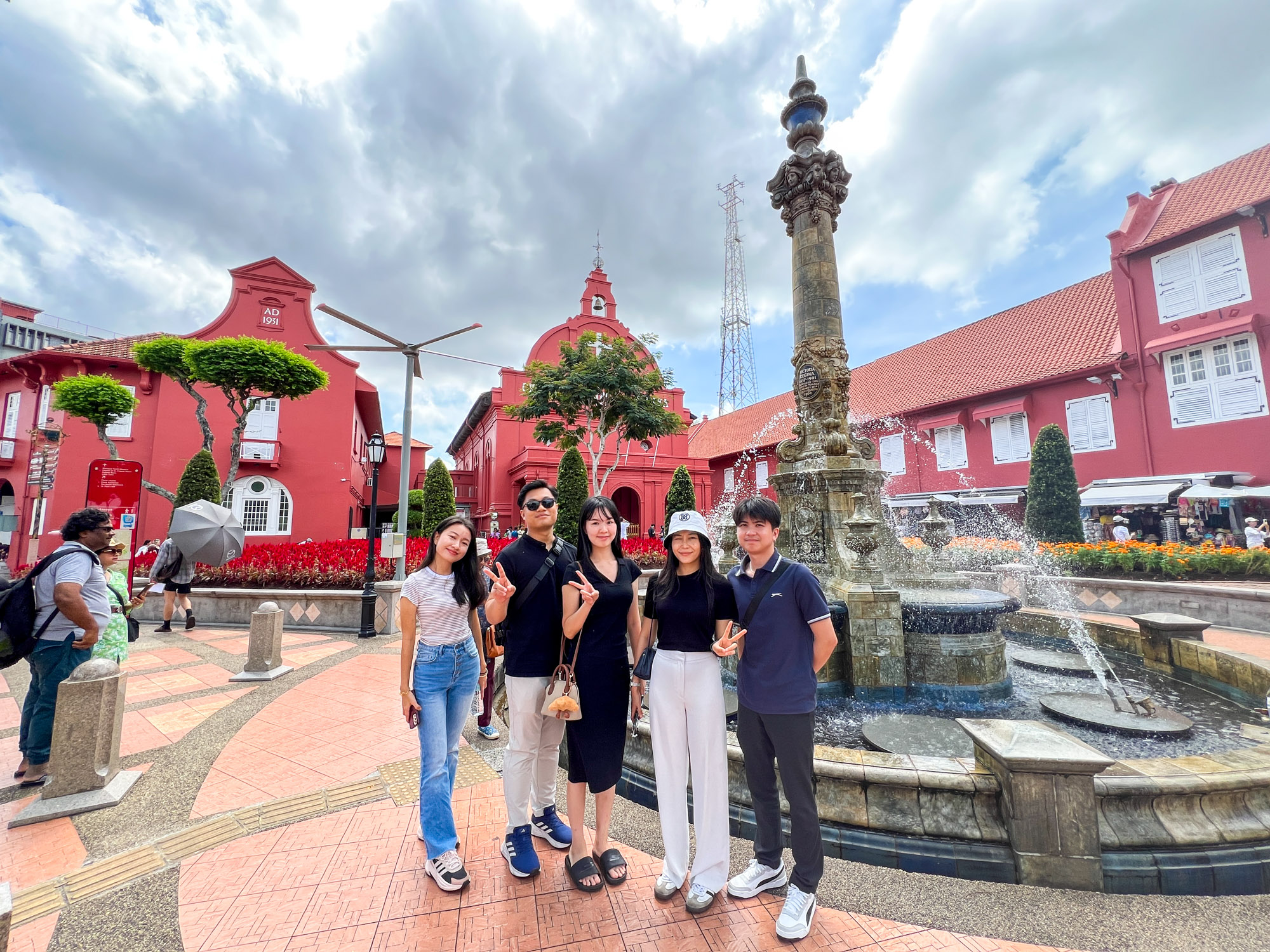
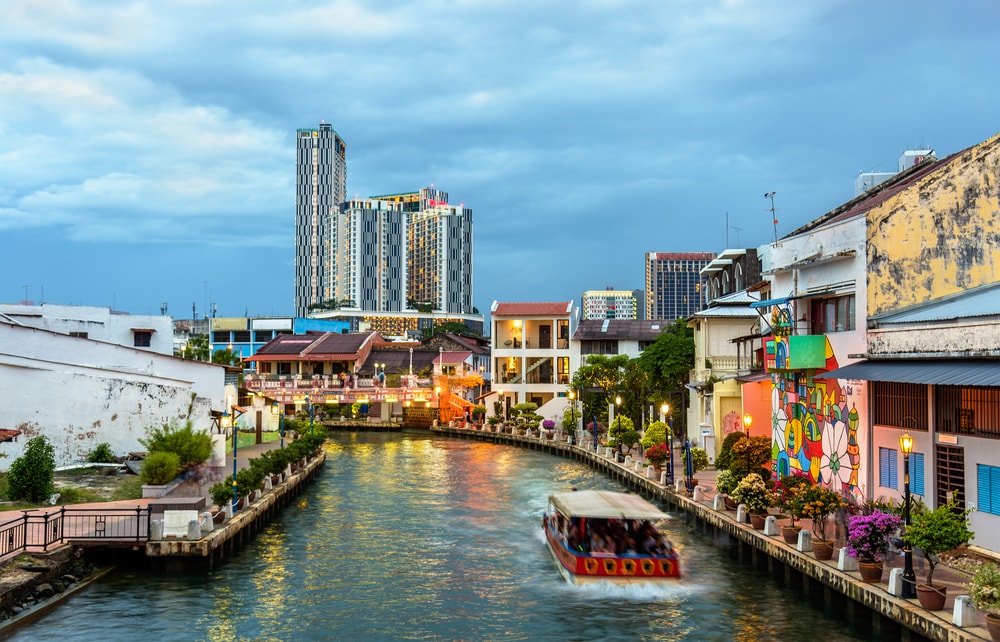
| Melaka | Walking in the historic centre, local buses and e-hailing |
| Ipoh | Walking in the Old Town, local buses and e-hailing |
| Langkawi | Rental car, taxi or e-hailing where available |
| Cameron Highlands | Taxi, arranged tour or private transfer |
| Johor Bahru | Local buses and e-hailing |
MyRapid's journey planner also covers Rapid Penang, helping travellers plan local bus journeys in Penang.
BAS.MY and Kota Kinabalu's Pink Buses
BAS.MY operates scheduled local bus routes in selected Malaysian cities. Routes, stops, frequency and payment arrangements vary by location, so travellers should check the relevant local service before setting out.
In Kota Kinabalu, BAS.MY buses are particularly recognisable by their bright pink livery. Selected routes operate from KK Sentral, but travellers should check the latest stops and schedules before relying on the service for a particular attraction.
Driving, Rental Cars and Private Transfers
A rental car can provide useful flexibility for multi-stop itineraries and destinations with limited public transport.
Driving may suit:
- Langkawi
- Cameron Highlands
- Rural Peninsular Malaysia
- Kundasang and Kinabalu Park
- Multi-stop journeys in Sabah or Sarawak
- Families carrying luggage or travelling with children
A car is often unnecessary in central Kuala Lumpur, where rail, traffic and parking may make public transport or e-hailing more convenient.
Malaysia drives on the left. Before collecting a vehicle:
- Confirm that your licence is accepted and whether you require an International Driving Permit.
- Review the insurance, deposit and one-way rental conditions.
- Inspect the vehicle and record existing damage.
- Ask how road tolls will be paid.
Paying Road Tolls
Many major Peninsular expressways use electronic toll payment. PLUS expressways accept Touch ’n Go at all toll plazas, while RFID and ordinary bank-card payment are only available in the relevant designated lanes. Cash is not accepted at PLUS toll plazas.
Ask whether your rental vehicle includes a Touch ’n Go card or RFID tag and whether it has sufficient balance. On closed-toll highways, use the same card or payment method when entering and leaving.
When a Private Transfer Is More Practical
A private transfer or organised tour may be more suitable when:
- The destination is outside a town centre
- Several transport connections are required
- You are carrying substantial luggage
- You are travelling with children or a larger group
- The departure is early in the morning or late at night
- The itinerary includes an airport, jetty and remote accommodation
- Return e-hailing availability is uncertain
The higher upfront cost can be worthwhile when it removes multiple tickets, uncertain connections and the risk of being unable to find onward transport.
Need help coordinating your transfers? Contact our travel specialists via WhatsApp or email for advice on the transport needed for your itinerary.
Ferries, Speedboats and Island Transfers
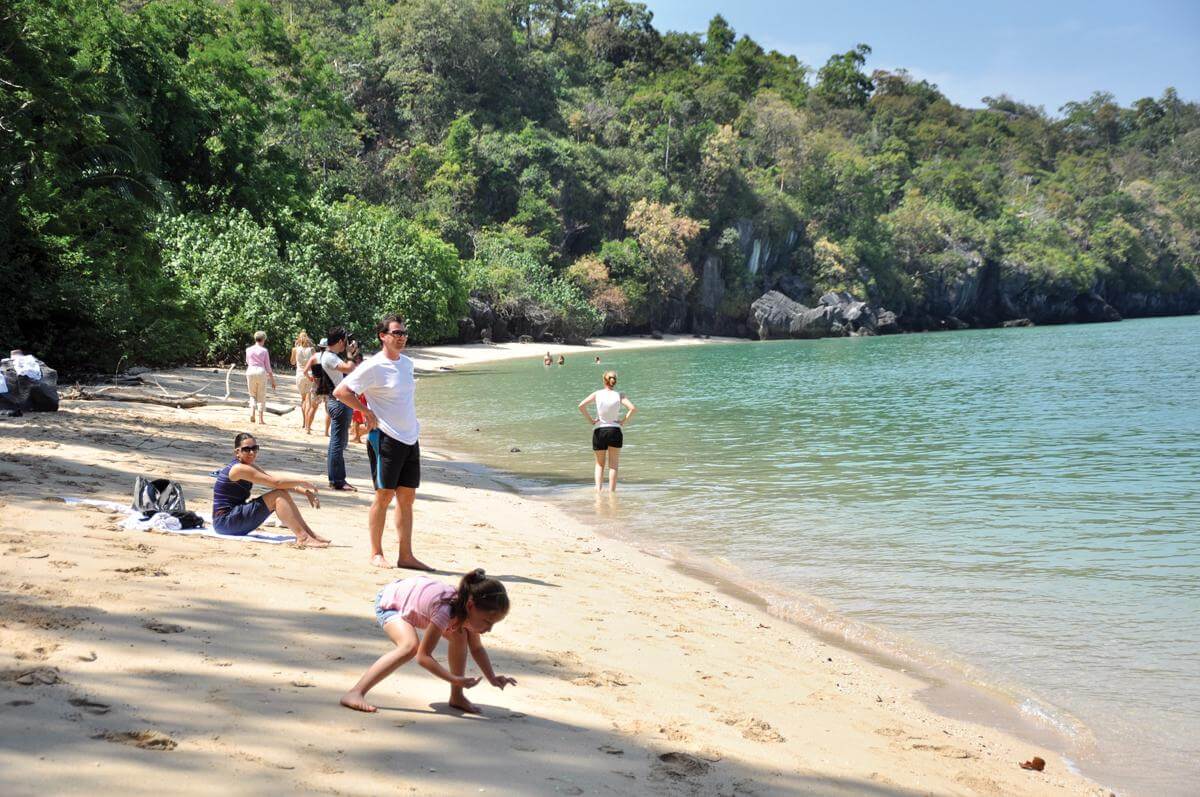
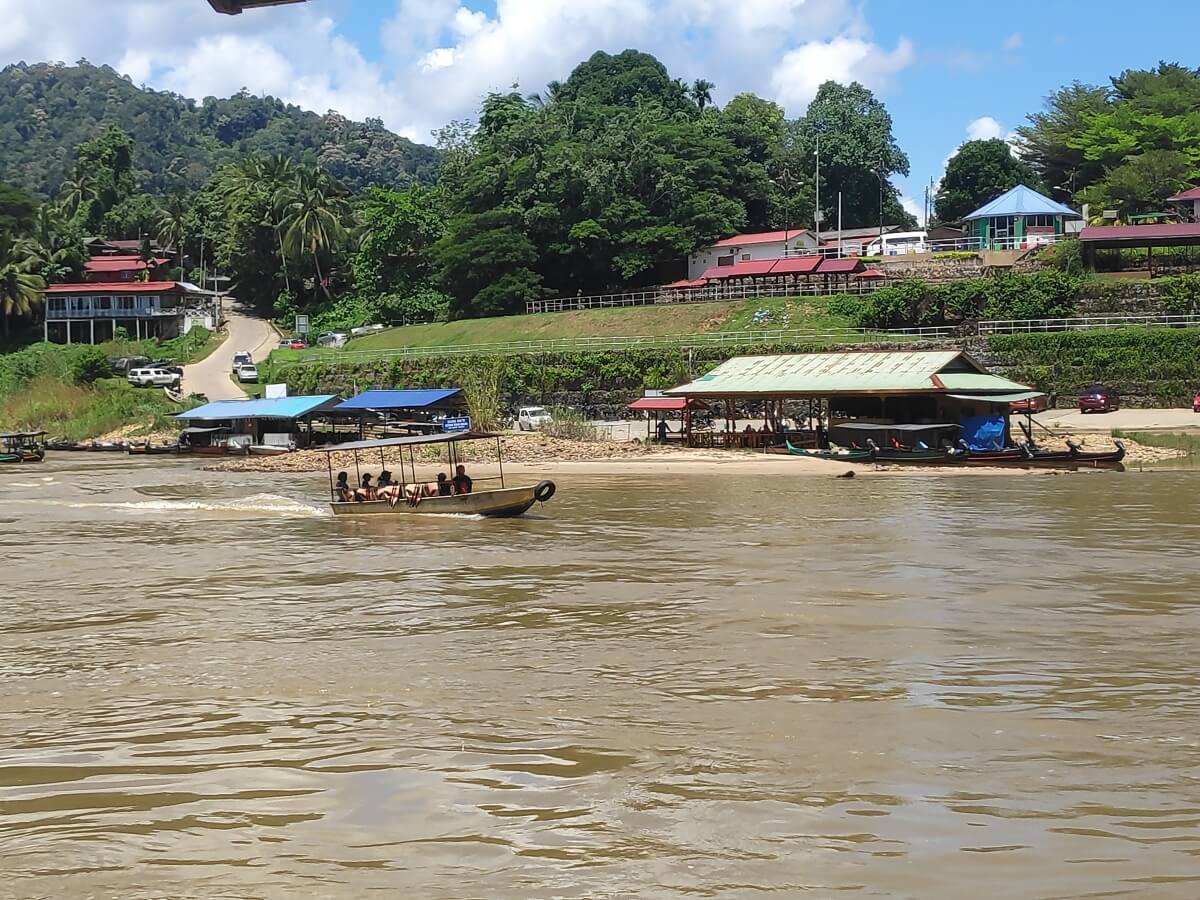
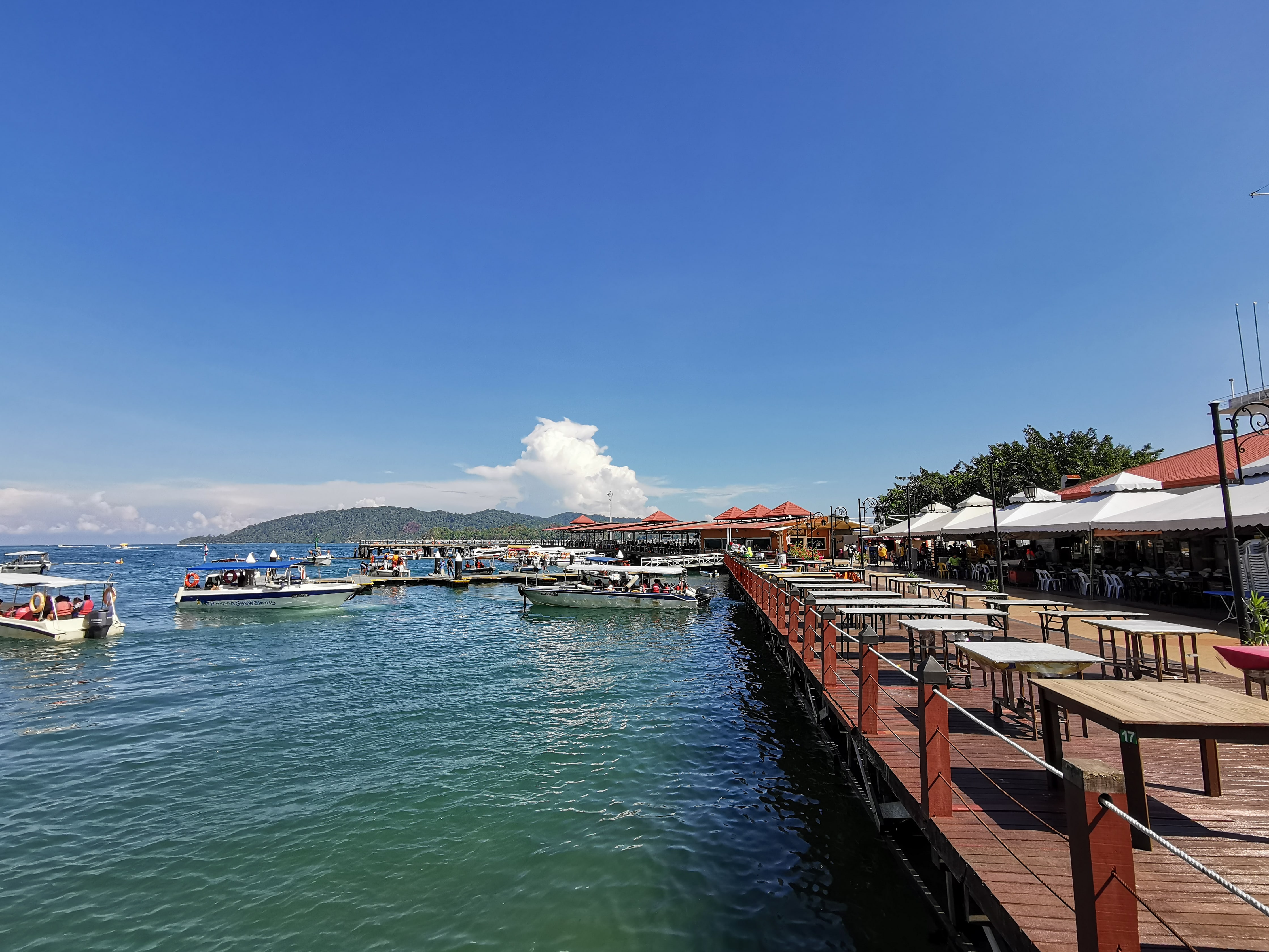
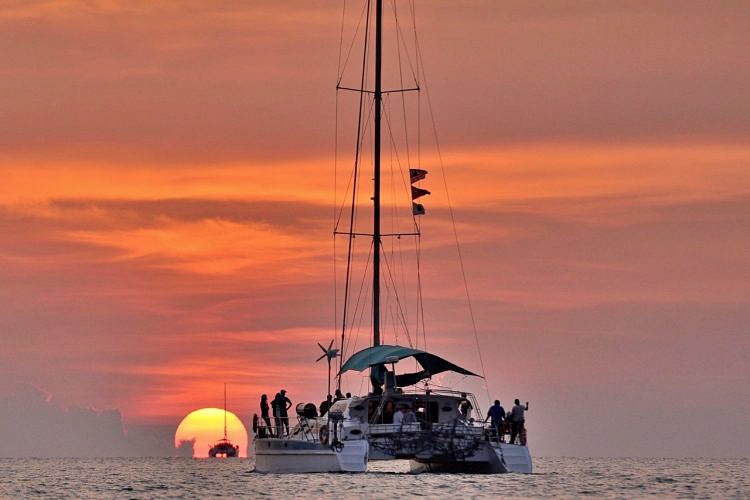
Ferries and boats are essential for reaching many Malaysian islands and coastal destinations. Depending on the route, travellers may use public ferries, scheduled speedboats, resort-operated transfers or boats arranged as part of a tour.
Boat travel is commonly used for destinations such as Langkawi, the Perhentian Islands, Redang, Tioman, Pangkor, islands near Kota Kinabalu and islands reached from Semporna.
Before travelling:
- Confirm the correct departure jetty.
- Check the registration and boarding time.
- Ask whether transport to the jetty is included.
- Review luggage limits.
- Protect valuables from water.
- Allow sufficient time before an onward flight.
Some island journeys involve a flight, road transfer and speedboat. Boat operations can also be affected by sea conditions, maintenance and seasonal demand, so avoid tight flight connections after a long sea journey.
Getting Around Sabah and Sarawak
Public transport in Malaysian Borneo is generally less comprehensive than in Peninsular Malaysia. Flights, arranged road transfers and boats are therefore more important when travelling beyond the main cities.
Sabah
Kota Kinabalu can be explored using e-hailing, taxis, walking and selected local buses.
Road transfers are commonly needed for Kundasang, Kinabalu Park, wildlife destinations, rural communities and island jetties. Flights can save time when combining Kota Kinabalu with Sandakan or Tawau, followed by another road transfer to destinations such as Sepilok, the Kinabatangan River or Semporna.
Sabah also has a limited state railway running from Tanjung Aru through Beaufort to Tenom. It is a regional route rather than a comprehensive statewide transport network.
Sarawak
Sarawak covers a large area, so flights are often the most practical option between distant cities. Road transfers and buses connect many towns, while boats remain important for certain river communities and rural destinations.
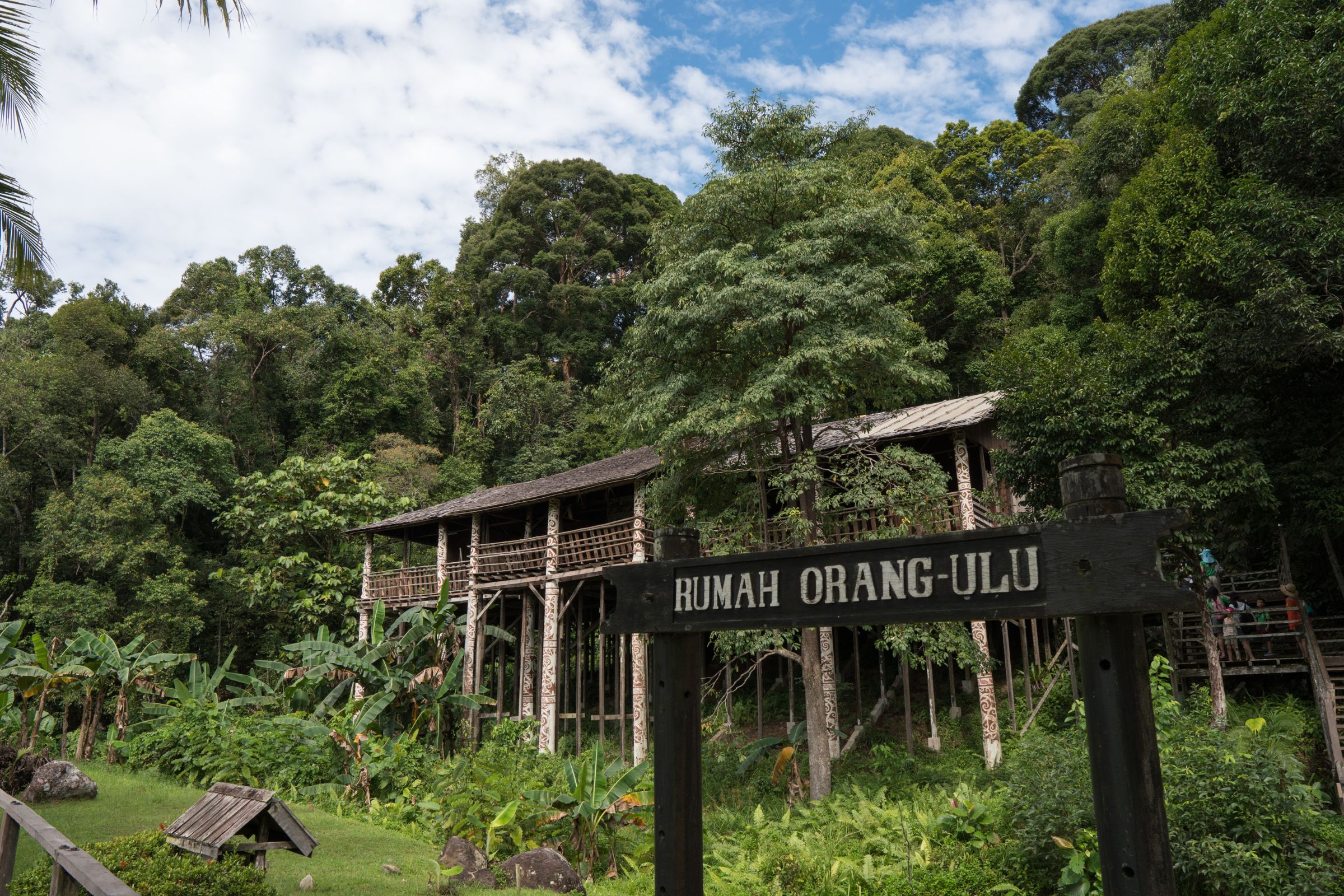
Within Kuching, e-hailing, taxis, local buses and walking are practical for many central attractions. Beyond the cities, national parks and longhouses may require an arranged road or boat transfer.
Kapit can now be reached by road from Sibu, while express boats remain an alternative. Mulu National Park is normally reached by air, although specialist trekking routes are also available.
Booking and Planning Tips
| Transport | Practical booking or payment method |
|---|
| Rapid KL rail | Single-journey token, Touch ’n Go or an eligible travel pass |
| ETS and KTM Intercity | KTMB’s official KITS website or app |
| KLIA airport rail | Official website, app, ticket machine, counter or supported contactless payment |
| BAS.MY | Payment methods vary by city; check the relevant local service |
| Express bus | Operator or established booking channel; confirm the terminal |
| Rental-car tolls | Ask whether the vehicle includes Touch ’n Go or RFID |
| Ferries and boats | Official operator, resort or confirmed tour provider |
Book domestic flights and long-distance trains early for weekends and festive periods. Island transfers, private vehicles and remote accommodation transfers should also be confirmed in advance.
Before each journey:
- Confirm the exact airport, terminal, station or jetty.
- Allow sufficient time between separately booked transport.
- Download tickets before travelling to areas with weak mobile coverage.
- Check baggage limits for domestic flights and boat transfers.
- Avoid tight flight connections after long road or sea journeys.
- Confirm accessibility arrangements in advance where required.
Transport routes and operating arrangements can change, so use official operators for current schedules, tickets and service alerts.
Plan Your Malaysia Journey
A Malaysia itinerary may involve a combination of flights, trains, buses, road transfers and boats. Planning each connection properly can reduce unnecessary backtracking and leave more time for the destinations themselves.
Get in touch via WhatsApp or email, and our travel specialists can help you plan a practical itinerary with suitable transport between each stop.