Malaysian culture reflects centuries of trade, migration and interaction between different communities. Malay, Chinese Malaysian, Indian Malaysian, Peranakan, Orang Asli and the many Indigenous peoples of Sabah and Sarawak have all shaped the country’s languages, religions, festivals, arts and everyday customs.
There is no single tradition or way of life that represents every Malaysian. Cultural practices vary by community, region, generation and setting, while shared experiences such as food, multilingualism and festive open houses bring people together across cultural backgrounds.
For travellers, understanding this diversity makes it easier to visit homes, places of worship, heritage neighbourhoods and community-based attractions respectfully. Malaysia’s cultures frequently influence one another, but they remain distinct rather than blending into one uniform national tradition.
Quick Answer: What Should Travellers Know About Malaysian Culture?
| Topic | What to know |
|---|
| Cultural identity | Malaysia is multicultural, and customs vary by community and region |
| Religion | Islam is the religion of the Federation, while many other religions are practised |
| Language | Bahasa Melayu is the national and official language; English and other languages are widely used |
| Shoes | Remove footwear before entering most homes and many places of worship |
| Right hand | Use the right hand when giving, receiving or eating with your hands |
| Clothing | Everyday dress varies, but modest clothing is expected at places of worship |
| Photography | Ask before photographing people, ceremonies or worshippers |
Explore how Malaysia’s multicultural history is reflected in its neighbourhoods, places of worship and historic architecture through guided heritage experiences:
Malaysia’s Cultural Communities
Malay Communities
Malay communities live throughout Malaysia, with traditions varying between states and regions. Islam, family relationships, community life and local forms of adat, or customary practice, influence many aspects of Malay culture.
Malay heritage can be seen in wooden architecture, royal customs, batik and songket textiles, silat martial arts, music and regional performing arts. Kelantan and Terengganu are particularly associated with traditions such as wayang kulit shadow puppetry, Mak Yong theatre, wau kite-making and silverwork.
Chinese Malaysian Communities
Chinese Malaysian communities have played an important role in Malaysia’s cities, ports, food culture, religious landscape and commercial development.
Cultural traditions vary according to family background, region, language and religion. Mandarin and several Chinese language varieties are spoken, while Buddhist, Taoist, Christian and other religious traditions are represented.
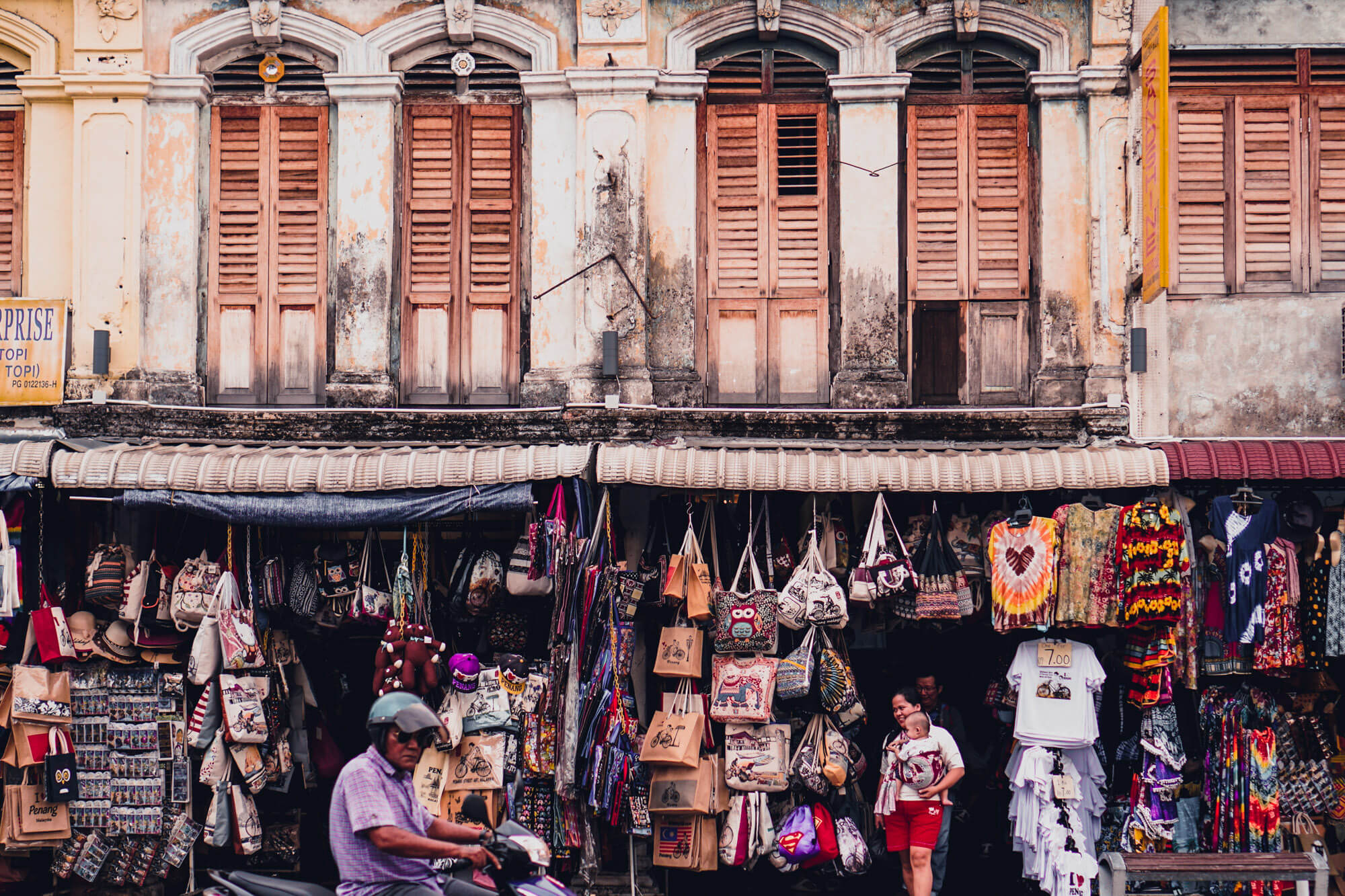
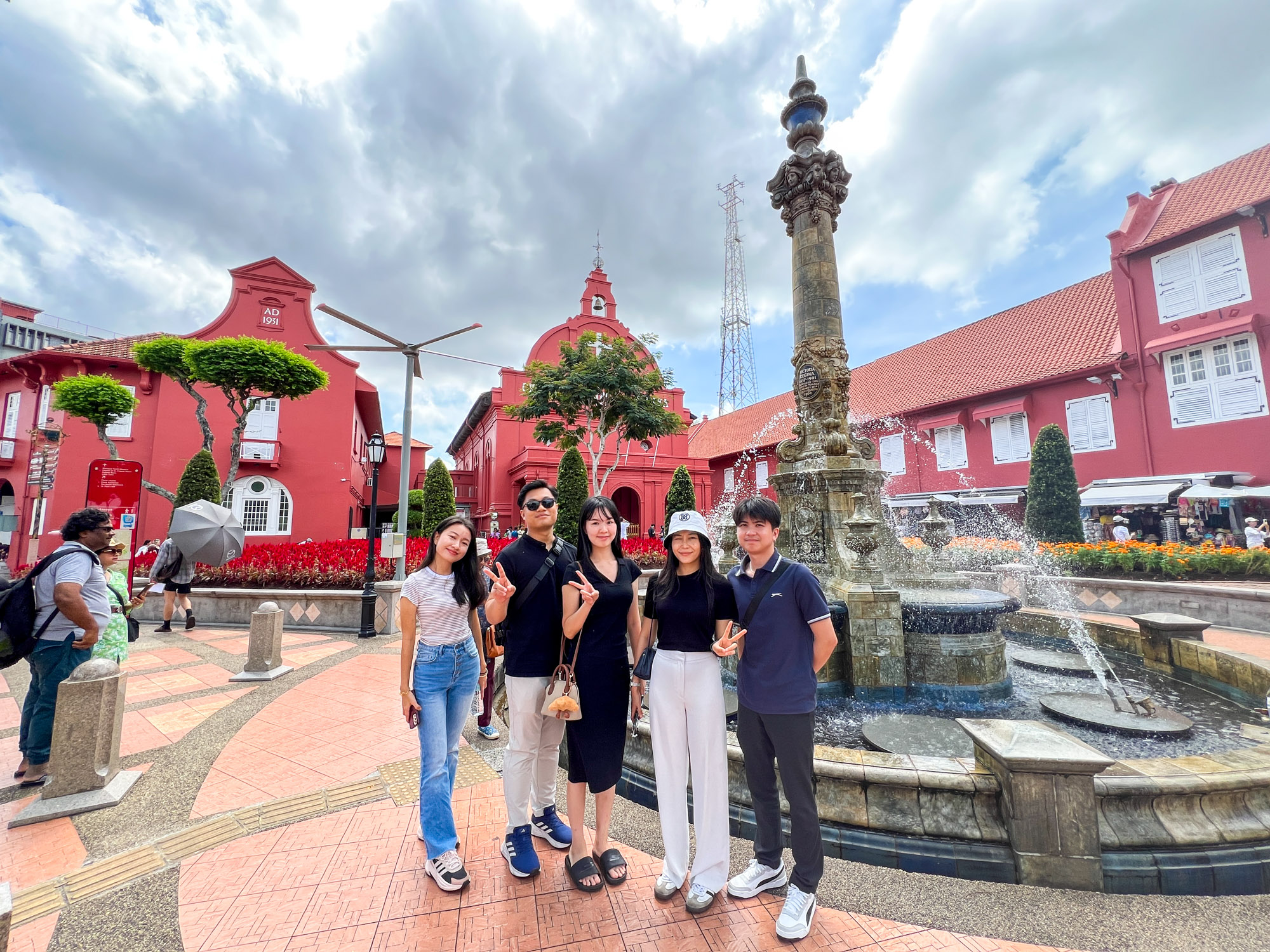
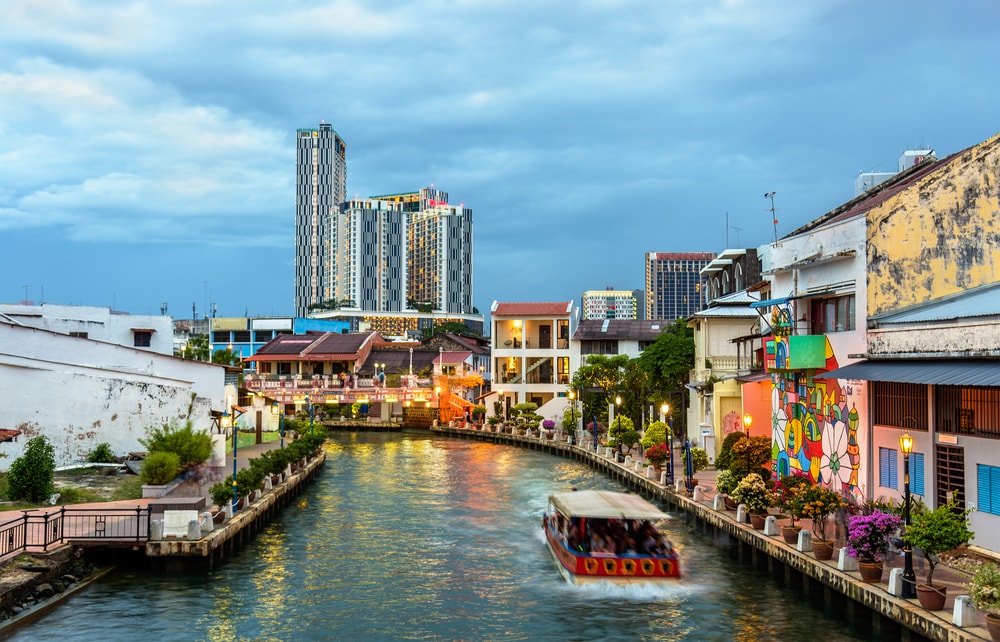
Historic temples, clan houses, shophouses and neighbourhoods in George Town, Ipoh, Kuala Lumpur and Melaka offer insight into different parts of this heritage. Chinese New Year is one of the most prominent annual celebrations for many Chinese Malaysian families, bringing reunions, festive meals, decorations and visits between relatives and friends.
Indian Malaysian Communities
Indian Malaysian culture includes Tamil, Malayalee, Telugu, Punjabi and other traditions, as well as Hindu, Muslim, Sikh and Christian communities.
Its cultural influence can be seen in temples, gurdwaras, mosques, cuisine, music, dance and festivals. Deepavali is an important Hindu celebration associated with light, family gatherings and decorative kolam designs. Thaipusam is a major Tamil Hindu observance involving processions and acts of devotion, while Sikh communities mark Vaisakhi through religious and cultural gatherings.
Indian Muslim communities have also shaped Malaysia’s everyday dining culture through mamak restaurants, nasi kandar, roti canai and teh tarik.
Peranakan Communities
Peranakan culture developed through generations of interaction between migrant communities and local societies. The term is most commonly associated with Chinese Peranakan, or Baba and Nyonya, communities in Penang and Melaka.
Peranakan heritage combines Chinese and local influences in language, clothing, architecture, domestic customs and cuisine. Baba Malay, embroidered garments, decorated porcelain, carved furniture and carefully preserved family recipes are among its most recognisable features.
Peranakan identities differ by region, and Malaysia is also home to other Peranakan communities with their own histories and traditions.
Orang Asli Communities in Peninsular Malaysia
Orang Asli is a collective term for the Indigenous peoples of Peninsular Malaysia, not the name of one uniform culture.
There are 18 officially recognised Orang Asli subgroups, including the Semai, Temiar, Mah Meri, Temuan, Jakun and Bateq. Each has its own language, knowledge, customs and relationship with the surrounding environment.
Orang Asli communities live in diverse settings across Peninsular Malaysia, and their cultures, livelihoods and relationships with the land vary considerably. Cultural or village visits should be organised with community involvement and appropriate permission rather than treating settlements as informal tourist attractions.
Indigenous Communities in Sabah
Sabah is home to more than 30 Indigenous groups, including the Kadazan, Dusun, Bajau, Murut and Rungus, each with further regional and linguistic variation.
Sabah’s cultural traditions are expressed through food, music, beadwork, textiles, local markets, traditional houses and community celebrations. The harvest festival of Kaamatan is closely associated with Sabah indigenous heritage and is celebrated throughout May.
Traditional dances such as Sumazau also have several regional variations rather than one standard form practised throughout the state.
Experience Sabah’s living traditions through guided cultural interpretation, home cooking and community-based stays that offer different levels of cultural immersion:
Indigenous Communities in Sarawak
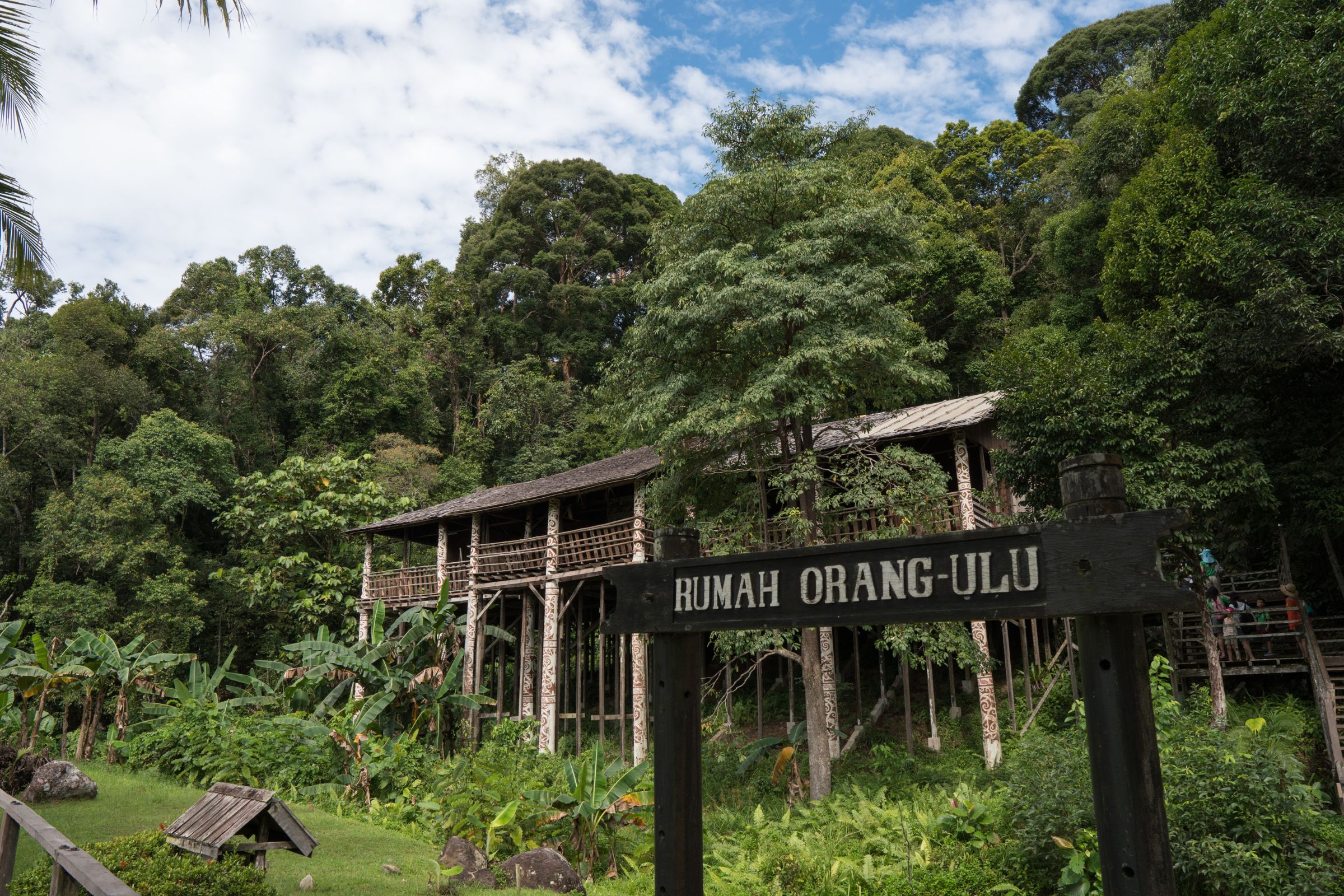
Sarawak is home to numerous communities, including the Iban, Bidayuh, Melanau, Penan, Kayan, Kenyah, Kelabit and Lun Bawang. The term Orang Ulu is also used collectively for several upriver peoples, but each community has its own identity and traditions.
Longhouses remain important cultural and communal spaces for some groups, although not every Indigenous Sarawakian lives in one. Cultural traditions include pua kumbu weaving, beadwork, bamboo crafts, woodcarving, sape music and dances such as ngajat.
Gawai Dayak in June marks the harvest season and is a major period for thanksgiving, family reunions, traditional food, music and community gatherings.
Combine wildlife conservation with an introduction to Bidayuh heritage through a guided visit to Semenggoh and the Annah Rais Longhouse:
Religion and Major Celebrations in Malaysia
Islam is the religion of the Federation, while Buddhism, Hinduism, Christianity, Sikhism, Taoist traditions and Indigenous belief systems are also practised throughout Malaysia. This diversity is visible in the country’s mosques, temples, churches and gurdwaras, sometimes located within the same historic neighbourhood.
Religion influences food, clothing, family traditions and the annual calendar. Celebrations such as Hari Raya Aidilfitri, Chinese New Year, Deepavali, Christmas, Kaamatan and Gawai Dayak bring communities together through family gatherings, food, decorations and public events.
Travellers should distinguish between public celebrations and private or sacred ceremonies. Public open houses and official events may welcome visitors, while family rituals, prayers and community ceremonies may require an invitation.
Malaysian Customs and Etiquette for Travellers
Malaysia combines modern, international city life with religious and traditional values. Expectations vary by location, so travellers should adapt their clothing and behaviour to the setting.
Greetings
Handshakes are common, particularly in professional and urban settings. However, some Muslim men and women prefer not to shake hands with someone of another gender.
Allow the other person to initiate. A smile and polite nod remain appropriate when no handshake is offered.
Malaysians may also use professional titles or family-style forms of address. When unsure, follow the way the person introduces themselves.
Removing Shoes
Shoes are normally removed before entering a Malaysian home. They are also removed at mosques and many Hindu, Buddhist and Sikh places of worship.
Look for footwear near the entrance or follow the host's example.
Using the Right Hand
Use the right hand when giving or receiving an item, shaking hands or eating without cutlery. When passing a larger or heavier object, using both hands is also polite.
In Malay and Indian cultural settings, the left hand is traditionally considered less appropriate for giving, receiving or handling food.
Dressing Appropriately
Malaysia’s everyday clothing ranges from casual and contemporary to religious or traditional dress. Visitors are not expected to wear traditional clothing.
Light, comfortable clothes are suitable for the tropical climate. However, shoulders and knees should generally be covered when entering mosques, temples, rural communities or formal cultural sites.
Mosques may provide robes and head coverings. Always follow the instructions displayed at the entrance or given by site staff.
Visiting Places of Worship
Many places of worship welcome visitors, but access, dress requirements and visiting hours vary.
Keep your voice low, avoid interrupting prayers and remain outside restricted areas. Do not touch religious objects or sit in areas reserved for worshippers unless invited.
Photography
Ask before photographing individuals, particularly elders, children, artisans and people wearing ceremonial clothing.
At festivals and places of worship, avoid photographing people during prayer or private rituals without consent. Flash photography may also be restricted around religious objects, museum exhibits and performances.
Visiting Homes and Communities
During home, village, homestay or longhouse visits, follow the host or guide’s instructions. Do not enter private rooms or touch ceremonial objects without permission.
If food or a drink is offered, accept it when comfortable or decline politely if you have dietary, religious or health reasons.
Traditional clothing, rituals and residents should not be treated as props for photographs. Ask questions respectfully and allow the host or guide to explain the meaning behind customs and objects.
Festivals and Ceremonies
Observe ceremonies quietly and avoid standing between participants, offerings or religious objects.
Do not imitate acts of worship merely for a photograph. When attending an event as a guest, follow instructions on seating, dress, food and photography.
Languages Spoken in Malaysia
Bahasa Melayu is Malaysia’s national and official language. English is widely used in tourism, business and many urban settings.
Malaysians also speak Mandarin, Tamil, Chinese language varieties and numerous Indigenous languages. In Sabah and Sarawak, Malay and English are used alongside languages such as Dusun, Bajau, Murut, Iban, Bidayuh and several languages spoken by Orang Ulu communities.
Many Malaysians switch between languages according to the people, location and situation. Travellers can communicate in English in most major tourism areas, but learning a few Malay phrases is appreciated.
| Malay phrase | Meaning |
|---|
| Selamat pagi | Good morning |
| Terima kasih | Thank you |
| Maaf | Sorry or excuse me |
| Tolong | Please or help |
| Boleh? | Is it possible? / May I? |
Arts, Crafts and Cultural Experiences
Malaysia’s cultural traditions are expressed through textiles, metalwork, pottery, weaving, carving, music, theatre and dance.
Batik is traditionally produced using wax-resist dyeing to create patterned fabric, while printed batik designs are also widely available. Songket is woven with metallic thread to produce elaborate ceremonial textiles.
Traditional performing arts include wayang kulit shadow puppetry, Mak Yong dance theatre, silat demonstrations and dikir barat musical performances. These traditions continue to appear at festivals and cultural centres, sometimes alongside contemporary adaptations.
Sabah is known for beadwork, woven crafts and traditional wear, while Sarawak’s traditions include pua kumbu textiles, beadwork, ngajat dance and sape music.
Cultural villages can provide a useful introduction, but they should not be treated as complete representations of how every member of a community lives today. Traditions coexist with modern education, careers, technology and urban life.
Where possible, choose licensed guides, community-run experiences and programmes that compensate hosts, performers and artisans fairly. When buying handicrafts, look for work produced by local artisans or cooperatives rather than mass-produced items that imitate traditional designs.
Move beyond landmark sightseeing through village visits and guided experiences that explore Malaysia’s culture and heritage:
Experience Malaysia Beyond the Landmarks
Discover the communities, traditions and stories that give each Malaysia its character.
Get in touch via WhatsApp or email, and our travel specialists can help you plan an itinerary around the cultural sites and experiences that suit you best.