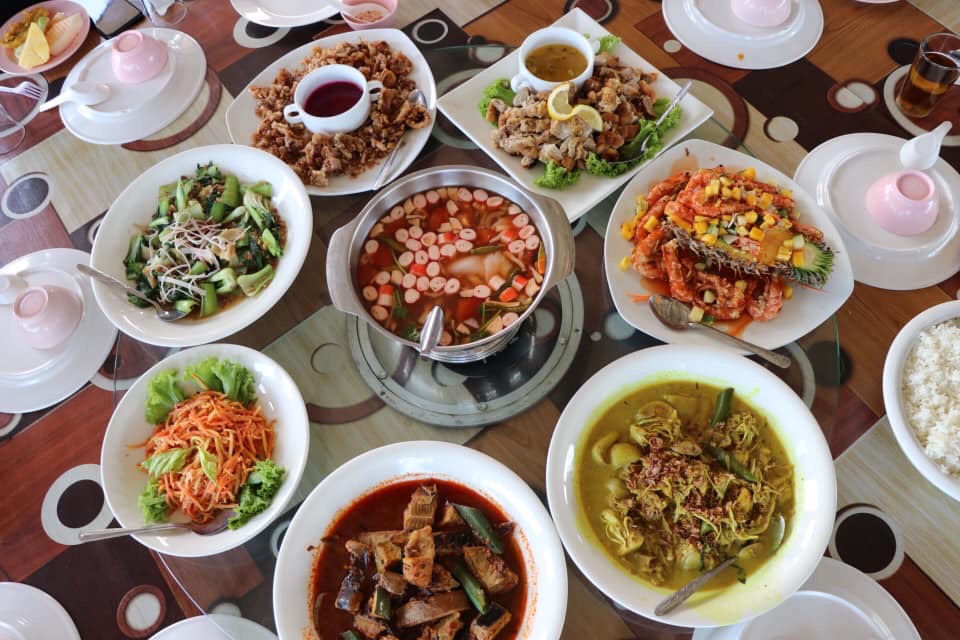
Malaysian food reflects the country’s multicultural population, regional ingredients and long history of trade and migration. Malay, Chinese, Indian, Peranakan and indigenous culinary traditions all contribute to what travellers now recognise as Malaysian cuisine.
That diversity means there is no single dish or cooking style that represents the whole country. Nasi lemak, roti canai and satay are widely available, but some of Malaysia’s most memorable food experiences are distinctly regional, from char kway teow in Penang and Nyonya cooking in Melaka to hinava in Sabah and Sarawak laksa in Kuching.
This guide covers the essential Malaysian dishes to try, regional specialities worth seeking out and practical advice on where and how to eat during your trip.
Quick Answer: What Food Should You Try in Malaysia?
| Dish | What it is | Where to try it |
|---|
| Nasi lemak | Coconut rice served with sambal and accompaniments | Nationwide |
| Roti canai | Flaky griddled flatbread served with curry or dhal | Nationwide |
| Char kway teow | Wok-fried flat rice noodles | Penang |
| Asam laksa | Tangy fish-based noodle soup | Penang |
| Chicken rice balls | Chicken rice served with compressed rice balls | Melaka |
| Hinava | Citrus-cured fish associated with Kadazandusun cuisine | Sabah |
| Tuaran mee | Springy fried egg noodles originating from Tuaran | Sabah |
| Ngiu chap | Beef noodle soup with meatballs and assorted beef cuts | Sabah |
| Sarawak laksa | Spiced noodle soup with prawns and shredded chicken | Sarawak |
| Kolo mee | Dry-tossed noodles with savoury toppings | Sarawak |
What Makes Malaysian Food Unique?
Malaysian cuisine developed through centuries of interaction between different communities.
Malay cooking commonly uses rice, coconut milk, sambal, herbs and aromatic spices. Chinese Malaysian food includes noodle soups, stir-fries and rice dishes, while Indian and Muslim traditions contribute curries, flatbreads, spiced rice and banana leaf meals.
Peranakan, or Nyonya, cuisine combines Chinese cooking techniques with local ingredients such as coconut milk, chillies, tamarind and lemongrass. Sabah and Sarawak add further diversity through the culinary traditions of communities including the Kadazandusun, Bajau, Murut, Iban, Bidayuh, Melanau and Orang Ulu.
These influences frequently overlap, and recipes vary according to local ingredients, religious dietary requirements and regional preferences.
Essential Malaysian Dishes to Try
These dishes are widely available throughout Malaysia and provide a useful introduction to the country’s food culture:
Nasi Lemak
Nasi lemak is widely regarded as Malaysia’s national dish. Its foundation is rice cooked with coconut milk and pandan leaves, usually served with sambal, fried anchovies, peanuts, cucumber and egg.
Simple packets are commonly eaten for breakfast, while larger versions may include fried chicken, squid sambal, curry or beef rendang. The sambal can range from sweet and mild to deeply savoury and spicy.
Roti Canai
Roti canai is a flaky flatbread cooked on a hot griddle and served with dhal, curry or both. The dough is repeatedly stretched and folded, creating a crisp exterior and soft, layered centre.
It is especially common at Indian Muslim, or mamak, restaurants and may be eaten for breakfast, as a snack or late at night. Popular variations include roti telur with egg and roti bawang with onion.
Satay
Satay consists of marinated meat threaded onto skewers and grilled over charcoal. Chicken and beef are the most common varieties.
The skewers are usually served with peanut sauce, cucumber, onion and compressed rice cakes known as nasi impit or ketupat.
Rendang
Rendang is prepared by slowly cooking meat with coconut milk, chillies, spices and aromatics until the sauce becomes thick and concentrated.
Beef rendang is particularly well known, although chicken versions are also common. It is normally served with rice and frequently appears during celebrations such as Hari Raya.
Cendol
Cendol is a cold dessert made with shaved ice, coconut milk, palm sugar syrup and green rice-flour jelly. Some versions also include red beans, sweet corn or glutinous rice.
In Melaka, it is often sweetened with gula Melaka, a rich palm sugar with a deep caramel flavour.
Teh Tarik
Teh tarik is black tea mixed with evaporated or condensed milk and poured repeatedly between containers. This pulling process cools the drink and creates its characteristic foamy top.
Its name means “pulled tea”, and it is a staple at mamak restaurants and local coffee shops throughout Malaysia.
Other everyday favourites include mee goreng mamak, Hainanese chicken rice and banana leaf rice. Ingredients and halal status may vary between establishments.
Want to sample several Malaysian favourites in one evening? The Kuala Lumpur Night Food Trails takes you through the city’s local night-market culture, with tastings that may include nasi lemak, satay, roti canai, cendol and seasonal snacks.
Penang and Northern Malaysian Food
Penang is one of Malaysia’s best-known food destinations. Its culinary identity combines Malay, Chinese, Indian and Peranakan influences, with hawker stalls and casual local eateries playing a major role.
Char Kway Teow
Char kway teow is made by frying flat rice noodles over high heat with soy sauce, egg, bean sprouts and chives, commonly with prawns or cockles.
Traditional Chinese versions may contain pork lard, while halal versions use different oils and ingredients. The dish is prized for its slightly smoky aroma, commonly known as wok hei.
Asam Laksa
Penang asam laksa is a tangy, fish-based noodle soup flavoured with tamarind and aromatic herbs. Thick rice noodles are served in the broth with ingredients such as cucumber, onion, pineapple and mint.
It tastes noticeably different from the coconut-based laksa varieties found elsewhere in Malaysia.
Nasi Kandar
Nasi kandar consists of steamed rice served with a choice of curries, vegetables, fried chicken, fish, squid and other side dishes.
It is common to combine several curry gravies over the rice. The dish is strongly associated with Penang’s Indian Muslim community and is now widely available throughout Malaysia.
Penang Hokkien Mee
Known elsewhere as prawn mee, Penang Hokkien mee is a noodle soup prepared with a prawn-based broth and commonly served with prawns, egg, vegetables and sambal.
It should not be confused with Kuala Lumpur-style Hokkien mee, which is a dark, stir-fried noodle dish.
Explore Penang’s food culture after dark on the George Town Night Food Trails, with local favourites such as asam laksa, char kway teow and traditional kuih.
Food to Try in Melaka
Melaka’s cuisine reflects the city’s history as a major trading port. Alongside Malay, Chinese and Indian food, travellers can find distinctive Peranakan, Chitty and Malaysian Portuguese influences.
Nyonya Cuisine
Nyonya cooking combines Chinese culinary techniques with local ingredients such as coconut milk, tamarind, chillies, lemongrass and fermented condiments.
Rather than trying to identify one representative dish, order several dishes to share. Common examples include ayam pongteh, curry kapitan, otak-otak and vegetables seasoned with sambal belacan.
Chicken Rice Balls
Melaka’s chicken rice balls pair poached or roasted chicken with rice compressed into small balls.
They are normally served with chilli sauce and soy-based condiments, with the rounded rice distinguishing the dish from standard Hainanese chicken rice.
Satay Celup
Satay celup consists of skewered meat, seafood, tofu and vegetables cooked at the table in a hot peanut-based sauce.
Despite its name, it is different from charcoal-grilled satay and is one of Melaka’s more distinctive communal dining experiences.
Gula Melaka Desserts
Melaka is closely associated with gula Melaka, a dark palm sugar used in cendol, traditional cakes and other desserts.
Its caramel-like flavour works especially well with coconut milk, making cendol one of the city’s most popular desserts.
Food on the East Coast of Peninsular Malaysia
The East Coast states of Kelantan and Terengganu offer some of Peninsular Malaysia’s most distinctive regional food.
Rice, fish, coconut, herbs and fermented condiments feature heavily, while some Kelantanese dishes also show influences from southern Thailand.
Nasi Kerabu
Nasi kerabu is an herb rice dish often recognised by its blue colour, traditionally created using butterfly pea flowers.
The rice is served with fresh herbs and vegetables, coconut, sambal and fish or meat. Much of its appeal comes from the combination of fragrant rice, raw herbs and savoury condiments.
Nasi Dagang
Nasi dagang combines rice and glutinous rice cooked with coconut milk and aromatics. It is commonly served with tuna curry and pickled vegetables.
The dish is associated with both Terengganu and Kelantan, although recipes differ between the two states.
Ayam Percik
Ayam percik is chicken marinated or basted with a spiced coconut-based sauce and cooked over a grill.
The sauce can vary from mildly sweet and creamy to noticeably spicy. It is commonly served with rice or as part of a larger meal.
Keropok Lekor
Keropok lekor is a chewy fish snack made from ground fish and starch. It may be boiled or fried and is usually served with a sweet chilli dipping sauce.
It is especially associated with Terengganu and is widely sold at roadside stalls and markets.
Signature Dishes in Sabah
Sabah’s food reflects its coastal environment and the traditions of its indigenous and migrant communities.
Travellers will find Kadazandusun dishes alongside Chinese-style noodles, Malay food, fresh seafood and local ingredients such as bambangan, tuhau and wild herbs.
Hinava
Hinava is a cured fish dish associated with the Kadazandusun community. Sliced fish is mixed with lime juice and ingredients that may include chilli, ginger, onion and grated bambangan seed.
Its bright, acidic flavour makes it one of the most approachable introductions to Sabah’s indigenous food.
Tuaran Mee
Tuaran mee is a springy egg noodle dish associated with the town of Tuaran. The noodles are stir-fried with egg, vegetables and meat, with halal and non-halal versions available.
Its slightly crisp and chewy texture distinguishes it from many other fried noodle dishes in Malaysia.
Ngiu Chap
Ngiu chap is a beef noodle soup traditionally made with a mixture of beef cuts, meatballs and offal.
The broth is normally simmered for an extended period, creating a deep and savoury flavour. Travellers who do not eat offal can ask whether a version with regular beef is available.
Pinasakan
Pinasakan is a traditional Kadazandusun dish in which fish is slowly cooked with turmeric and takob-akob, a sour local fruit.
Its concentrated flavour reflects a cooking method historically used to preserve fish for longer periods.
Linopot
Linopot is rice, sometimes mixed with root crops such as yam or sweet potato, packed and wrapped in leaves.
It is usually served with several indigenous side dishes and condiments and is commonly associated with communal meals and traditional food spreads.
Sabah Seafood
Kota Kinabalu, Sandakan, Semporna and other coastal areas offer a wide selection of fish, prawns, squid, shellfish and crab.
Seafood is commonly steamed, grilled or cooked with sauces selected from a restaurant display. Confirm the price by weight before ordering, particularly for lobster, large shellfish or premium fish
Discover unique ways to enjoy Sabah's culinary heritage with hands-on cooking classes and traditional wine tasting:
Traditional Food in Sarawak
Sarawak’s cuisine draws from the traditions of its Malay, Chinese, Iban, Bidayuh, Melanau and Orang Ulu communities.
Forest produce, river and coastal ingredients appear alongside noodle dishes, rice meals and foods cooked using traditional methods such as bamboo cooking.
Sarawak Laksa
Sarawak laksa is a noodle soup with an aromatic, spiced broth, commonly served with rice vermicelli, shredded chicken, prawns, egg, bean sprouts and lime.
Its broth differs from both Penang asam laksa and coconut-heavy curry laksa, giving it a flavour strongly associated with Kuching and Sarawak.
Kolo Mee
Kolo mee consists of springy noodles tossed with savoury oil and seasonings, then topped with ingredients such as minced meat, barbecued meat and spring onions.
Many traditional versions contain pork or lard, although halal chicken and beef versions are also available.
Manok Pansoh
Manok pansoh, also written as ayam pansuh or manuk pansuh, is chicken cooked in bamboo with aromatics such as lemongrass, ginger and garlic.
The bamboo gives the dish a distinctive fragrance, and the cooking method is closely associated with Dayak culinary traditions.
Umai
Umai is a Melanau dish of sliced raw fish cured with lime and mixed with ingredients such as onion, chilli and salt.
It may appear similar to Sabah’s hinava, but each dish belongs to a different regional and cultural tradition.
Also look for midin, a local fern commonly stir-fried with garlic or belacan, and kek lapis Sarawak, the state’s colourful layered cake. Kuching and the surrounding region offer cultural experiences that connect Sarawak’s food with its communities, heritage and landscapes.
Where and How to Eat in Malaysia
Understanding the different types of local eateries can make ordering Malaysian food easier.
| Place | What to expect |
|---|
| Hawker centre | Multiple independent food stalls with shared seating |
| Kopitiam | Traditional coffee shop serving drinks, toast, noodles and casual meals |
| Mamak restaurant | Indian Muslim food such as roti canai, mee goreng and teh tarik |
| Night market | Evening stalls selling snacks, drinks, fruit and cooked food |
| Food court | Convenient selection of local dishes with clear menus and prices |
| Local restaurant | Shared dishes, curries, seafood and regional specialities |
At hawker centres and food courts, ordering systems vary. You may pay at each stall, receive a numbered receipt or pay when the food is delivered. Look for signage or observe how other diners order.
Halal Food
Halal food is widely available in Malaysia, but not every restaurant or dish is halal.
Malay and Indian Muslim establishments are generally suitable for Muslim diners, while some Chinese restaurants serve pork, lard or cooking wine. Look for recognised halal certification or ask the restaurant directly when uncertain.
Vegetarian and Vegan Food
Vegetable dishes may still contain shrimp paste, dried anchovies, fish sauce, oyster sauce or meat-based stock.
Travellers with strict dietary requirements should explain which ingredients they cannot eat rather than relying only on the word “vegetarian”.
Spice Levels
Not all Malaysian food is spicy, but chilli may already be incorporated into the sauce or broth.
You can ask for tidak pedas, meaning “not spicy”, or kurang pedas, meaning “less spicy”. This may not be possible for dishes prepared in advance.
Food Allergies
Travellers with serious allergies should communicate the exact ingredient clearly.
Peanuts, shellfish, shrimp paste, soy, coconut and eggs are common in Malaysian cooking, and cross-contact may occur in shared kitchens.
Prices and Payment
At seafood restaurants, confirm whether prices are per portion or based on weight before ordering.
Cashless payments are increasingly common, particularly in cities, but carrying some cash remains useful at night markets, smaller stalls and rural eateries.
Common Questions About Malaysian Food
What is Malaysia’s national dish?
Nasi lemak is widely regarded as Malaysia’s national dish. It consists of coconut rice served with sambal, anchovies, peanuts, cucumber and egg, with additional meat or seafood often added.
Is Malaysian food spicy?
Some Malaysian dishes are spicy, but many are mild or allow sambal to be added separately. Spice levels vary according to the recipe, region and individual cook.
Is all Malaysian food halal?
No. Halal food is widely available, but some restaurants use pork, lard, cooking wine or other non-halal ingredients. Check the restaurant’s certification or ask before ordering.
What is the difference between Malay food and Malaysian food?
Malay food refers specifically to the culinary traditions of the Malay community. Malaysian food is a broader term that also includes Chinese, Indian, Peranakan, indigenous and other regional cuisines found throughout the country.
Plan Your Malaysian Food Journey
Ready to taste your way through Malaysia?
Get in touch via WhatsApp or email, and our travel specialists can help you build an itinerary around the destinations and regional flavours you want to experience.