



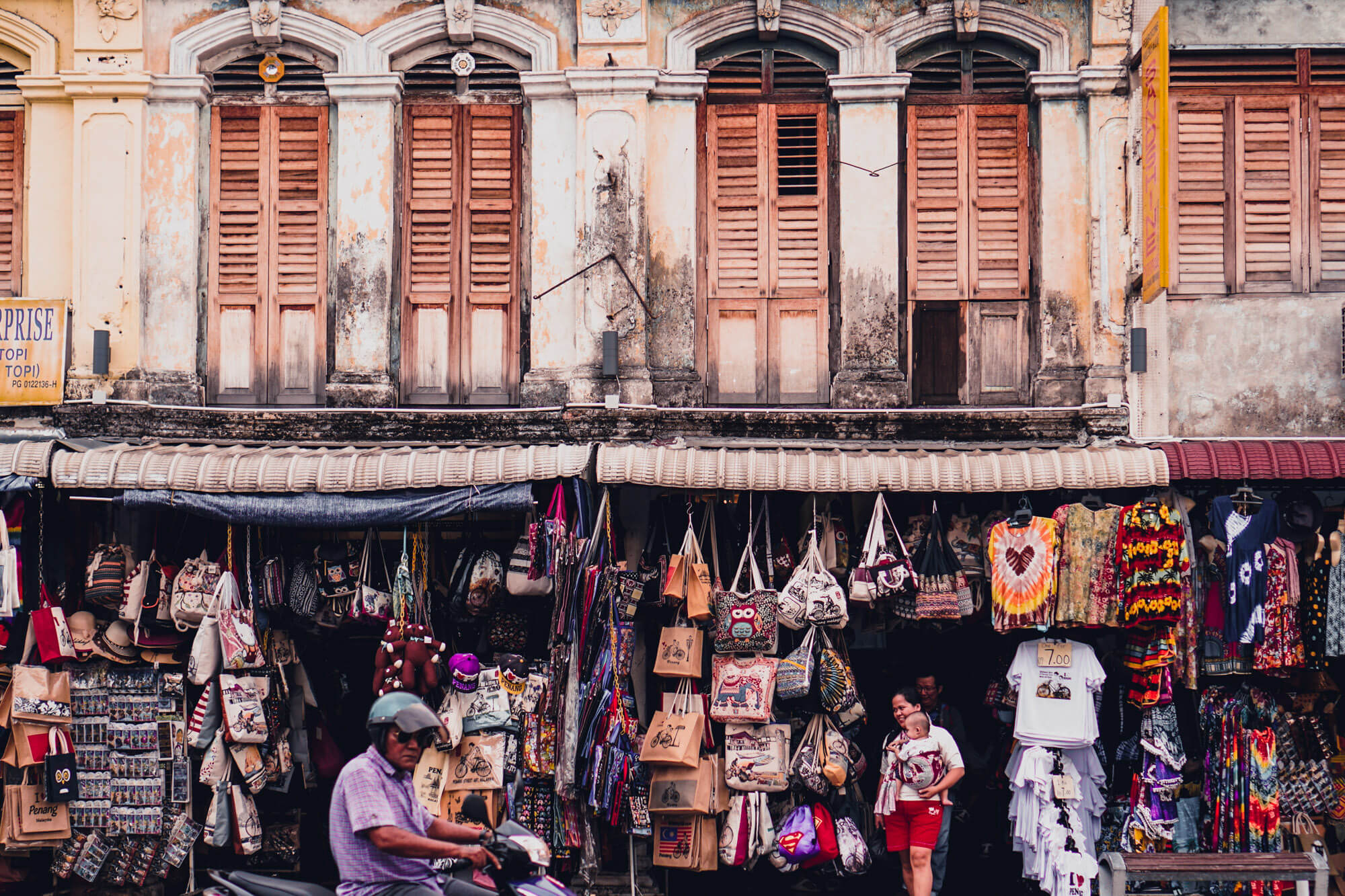

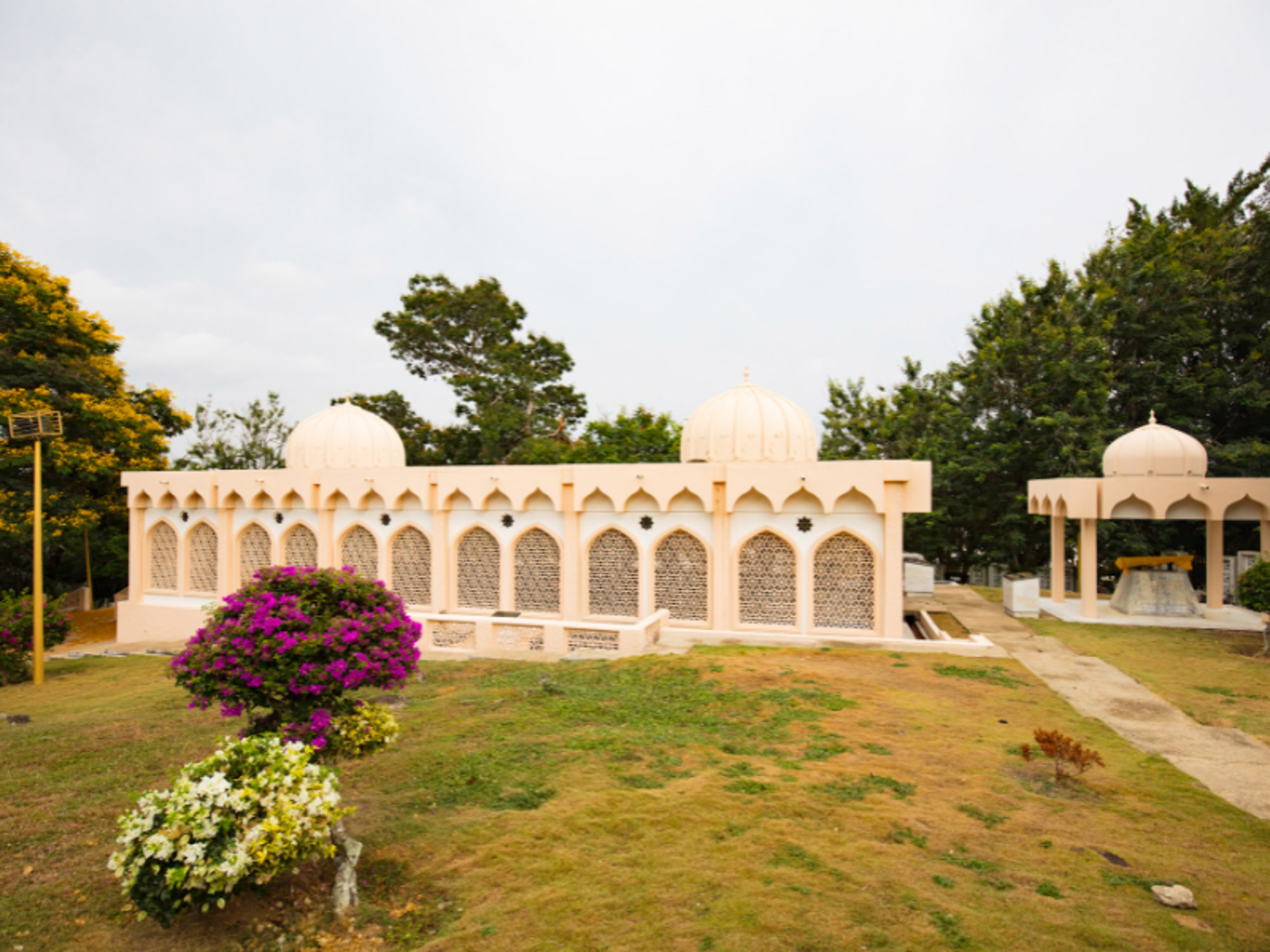



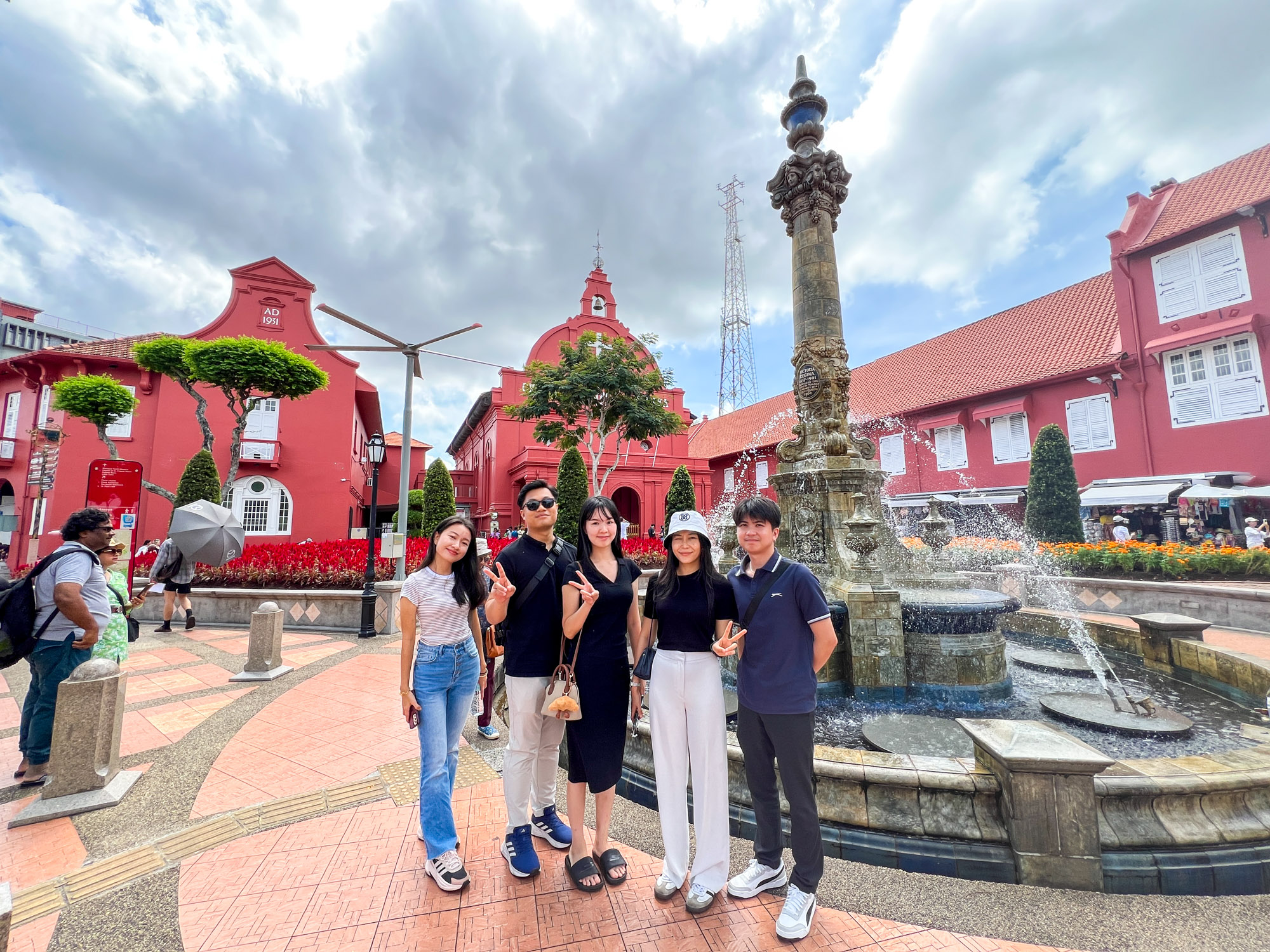
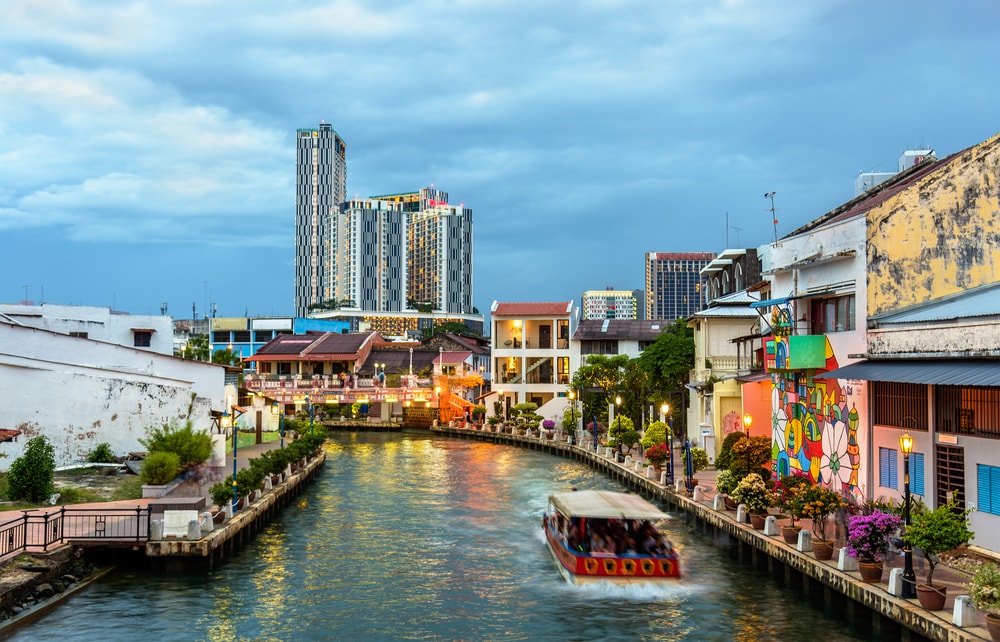





A visit to a Malaysian night market can start with dinner and end with 3 snacks, a drink and something to take home for later. With satay grilling over charcoal and food stalls lining the street, a pasar malam brings neighbourhood shopping and street food together in one place.
Top Attractions
- States In Malaysia
Malaysia Night Market Guide: How to Visit a Pasar Malam Like a Local
What Is a Pasar Malam in Malaysia?
In Malay, pasar malam means "night market". These open-air markets typically bring together food vendors, fresh produce sellers and stalls selling everything from clothing to household essentials.
Unlike permanent food streets or tourist markets, many traditional pasar malam operate once a week in residential neighbourhoods, with vendors setting up along designated streets or open spaces.
For locals, they're part of the weekly routine, whether that's picking up dinner, shopping for groceries or spending an evening out with family.
Most of these markets are free to enter, with food and other purchases paid for at individual stalls.
When Is the Best Time to Visit a Pasar Malam?
Around 6:00 PM to 8:00 PM is a good time to visit many Malaysian night markets, when food stalls are operating and the evening atmosphere is picking up. Arriving earlier generally gives you more food choices before popular items sell out.
Most neighbourhood pasar malam operate on a particular evening each week rather than nightly, with opening hours varying by location.
For a casual visit, 1–2 hours is usually enough to browse the stalls and enjoy a few snacks, although larger markets may take longer.
During Ramadan, you'll also find Ramadan bazaars. These seasonal markets usually operate in the afternoon and early evening, selling food for Muslims observing Ramadan to break their fast at sunset.
Explore a Pasar Malam Like a Local
1. Browse First, Snack Along the Way
The first stall looks tempting. So does the second. By the fifth, you may realise you've barely scratched the surface.
A quick look around helps you see what's available, especially if you're hoping to try more than one dish. Beyond the food stalls, you'll find vendors selling fresh vegetables, fruit and everyday essentials, so there's often more to browse than snacks alone.
2. How to Pay at a Pasar Malam
Cash is generally the easiest way to pay at a pasar malam. For international travellers, having some Malaysian ringgit in smaller denominations makes it easier to buy snacks and other items from different stalls.
Some vendors also accept QR payments, although not all overseas banking and payment apps are compatible.
3. Don't Be Shy About Asking Questions
Not sure what's inside a snack or how spicy something might be? Asking the vendor can help, especially when trying something unfamiliar.
English may be understood at some stalls, particularly in tourist areas. At smaller neighbourhood markets, simple gestures or a translation app can help bridge any language gaps.
What Should You Eat at a Malaysian Night Market?
The selection varies by market and region, but you'll find everything from freshly grilled snacks to traditional desserts and cold drinks. Here are some Malaysian favourites worth looking out for.
| Food or Drink | What to expect |
|---|---|
| Satay | Marinated meat skewers grilled over charcoal, usually served with peanut sauce |
| Apam balik | A folded pancake with fillings such as crushed peanuts, sugar or sweetcorn |
| Keropok lekor | Chewy or crispy fish-based snacks, often served with chilli sauce |
| Otak-otak | Seasoned fish paste wrapped in leaves and grilled or steamed |
| Kuih muih | An assortment of traditional sweet and savoury snacks, often made with rice flour, coconut or palm sugar |
| Cendol | A chilled dessert of shaved ice, pandan-flavoured jelly, coconut milk and palm sugar syrup |
| Air balang | Sweet, chilled drinks served from large containers, often in fruity or creamy flavours |
Halal, vegetarian and other dietary options vary between stalls, so it's best to check ingredients with individual vendors. Some dishes may contain shrimp paste, fish sauce, peanuts or other common allergens, with cross-contact possible when cooking equipment is shared.
Beyond the pasar malam, Malaysia's regional food specialities range from Penang's asam laksa to Sarawak laksa.
Where Can You Find Night Markets in Malaysia?
From weekly neighbourhood markets to daily shopping streets, here are 5 night markets to get you started.
| Market and location | When to visit | What to expect and explore |
|---|---|---|
| Taman Connaught, Jalan Cerdas, Cheras, KL | Wed, from 5 PM | A large weekly market with food and everyday goods. Kuala Lumpur Night Food Trails explores more of the city's food traditions. |
| Petaling Street, Chinatown, KL | Daily, mid-afternoon until late | Chinatown shopping, street food and old shophouses, with more history covered on a heritage tour including Batu Caves. |
| Farlim, Bandar Baru Air Itam, Penang | Wed, 5-11 PM | A neighbourhood market for snacks and produce. George Town's evening food experiences offer another taste of Penang. |
| Jonker Walk, Jalan Hang Jebat, Melaka | Fri-Sun, 6 PM-midnight | Weekend food and souvenir stalls. Explore the heritage area by day on a Melaka trip from KL. |
| Siniawan, Bau, near Kuching, Sarawak | Fri-Sun, 4-11 PM | Lantern-lit wooden shophouses and Sarawak food. Another evening could include a Santubong mangrove cruise for possible firefly sightings. |
*Operating hours may vary by stall and during holidays or special events.
Explore More of Malaysia with MalaysiaTravel.com
From food tours and heritage walks to wildlife experiences, MalaysiaTravel.com brings together tours and activities from licensed local operators across the country. Compare options and book experiences from different providers in one checkout, with instant booking available for selected tours.
Looking to discover more of Malaysia beyond its night markets? Email or WhatsApp our travel specialists for help choosing experiences that fit your itinerary.