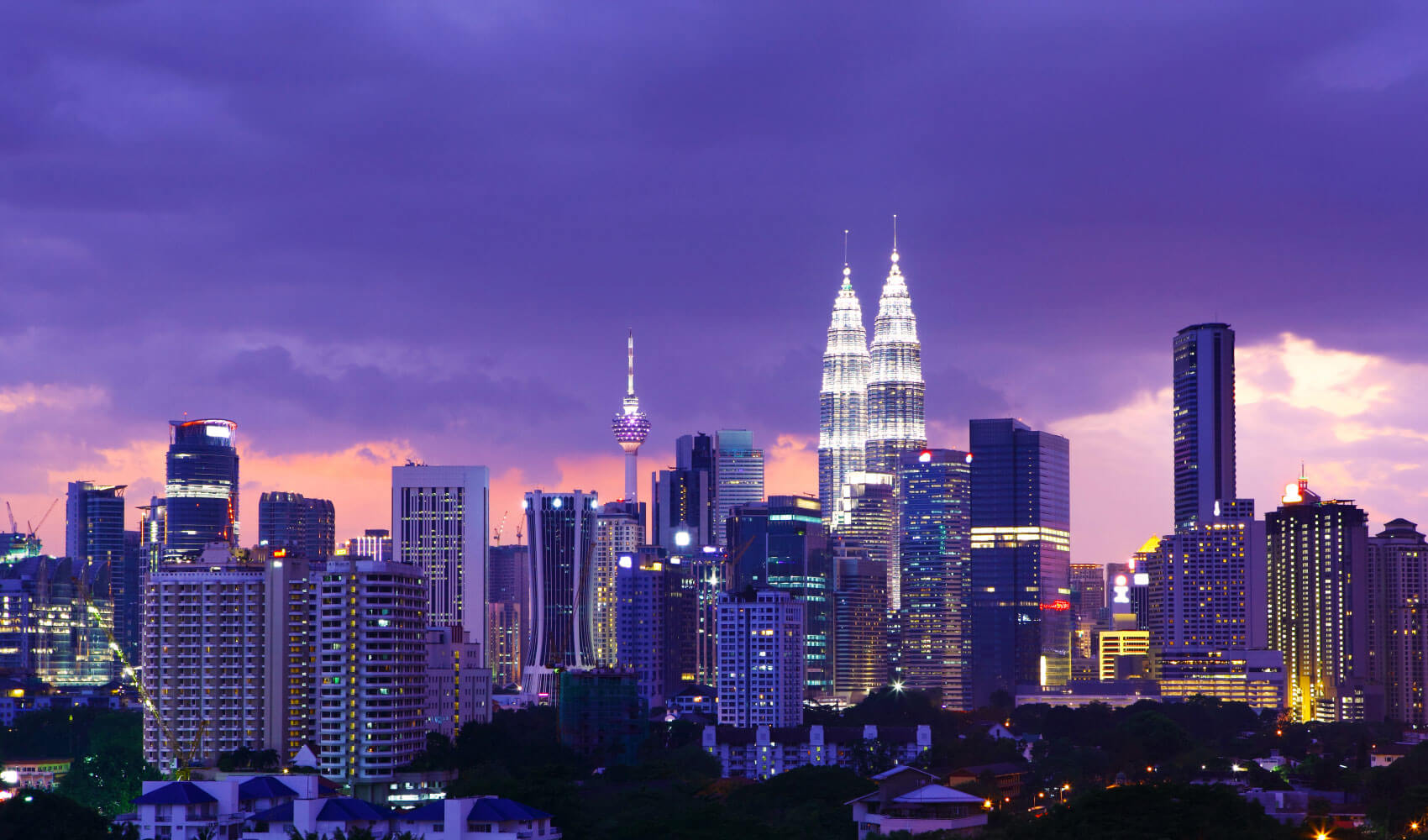
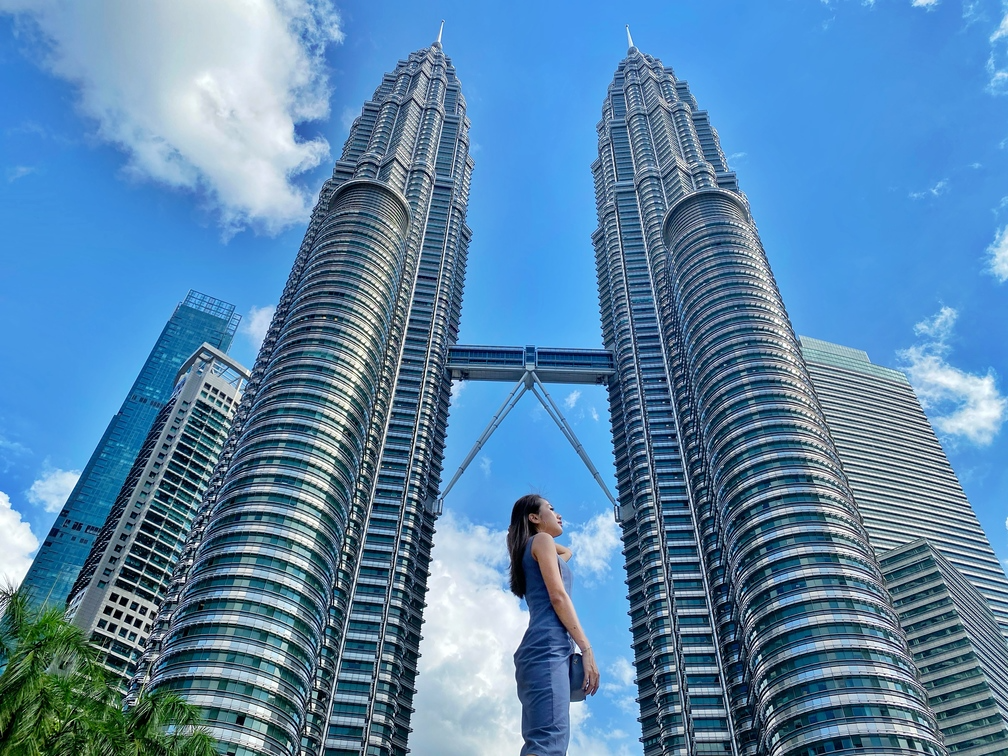
Kuala Lumpur is a city that moves at lightning speed. To the casual observer, it is a shimmering playground of ultra-modern skyscrapers, futuristic transit lines and luxury mega-malls. Yet, tucked directly beneath the shadows of the iconic Petronas Twin Towers lies a deeply rooted soul. Long before the steel and glass redefined its skyline, KL was a bustling, muddy confluence of rivers shaped by tin miners, colonial administrators and immigrant merchants.
Today, this captivating blend of cutting-edge development and preserved history makes Malaysia’s capital an extraordinary destination for cultural tourism. If you look past the modern glitter, you will find a city eager to tell its origin story through its timeless architecture and vibrant ethnic enclaves.
Five Must-Visit Heritage Sites in Kuala Lumpur
To truly understand what makes Kuala Lumpur tick, you must visit the historic core where the city’s identity was forged. Here are five essential landmarks that bring KL’s history to life.
Sultan Abdul Samad Building
Standing proudly along Jalan Raja, the Sultan Abdul Samad Building is arguably the most recognisable masterpiece of colonial-era architecture in Malaysia. Completed in 1897, this late-nineteenth-century marvel served as the administrative hub for the British colonial government. Its striking design features a unique blend of Moorish, Neogothic and Indo-Saracenic styles, characterised by sweeping brick arches, brilliant copper domes and a majestic 41-metre-high clock tower that has chimed through decades of history.
Merdeka Square (Dataran Merdeka)
Directly opposite the Sultan Abdul Samad Building lies Merdeka Square, the literal birthplace of modern Malaysia. Once a manicured cricket pitch for British elites, this vast green expanse witnessed a monumental shift in history on midnight of 31 August 1957, when the Union Jack was lowered for the last time and the Malayan flag rose proudly to the sky. Standing on the square today, you can easily feel the echoes of the historic cries of “Merdeka!” (Independence) that shaped the nation.
Masjid Jamek
A short walk away brings you to the tranquil grounds of Masjid Jamek, one of the oldest mosques in Kuala Lumpur. Built in 1909, it sits beautifully at the precise confluence of the Klang and Gombak rivers, the exact birthplace of the city. Designed with elegant Mughal architecture, its pristine white domes, pink brick minarets and surrounding palm groves offer a peaceful, spiritual sanctuary amidst the rushing current of modern city life.
Central Market (Pasar Seni)
Dating back to 1888 as a simple wet market, Central Market was transformed into a beautiful Art Deco landmark in the 1930s. Today, instead of fresh produce, this lively indoor cultural hub is a celebration of Malaysian art, crafts and textiles. The market is cleverly divided into cultural zones representing the Malay, Chinese and Indian communities, making it the perfect spot to pick up authentic souvenirs, watch traditional batik painting, or enjoy local snacks.
Petaling Street (Chinatown)
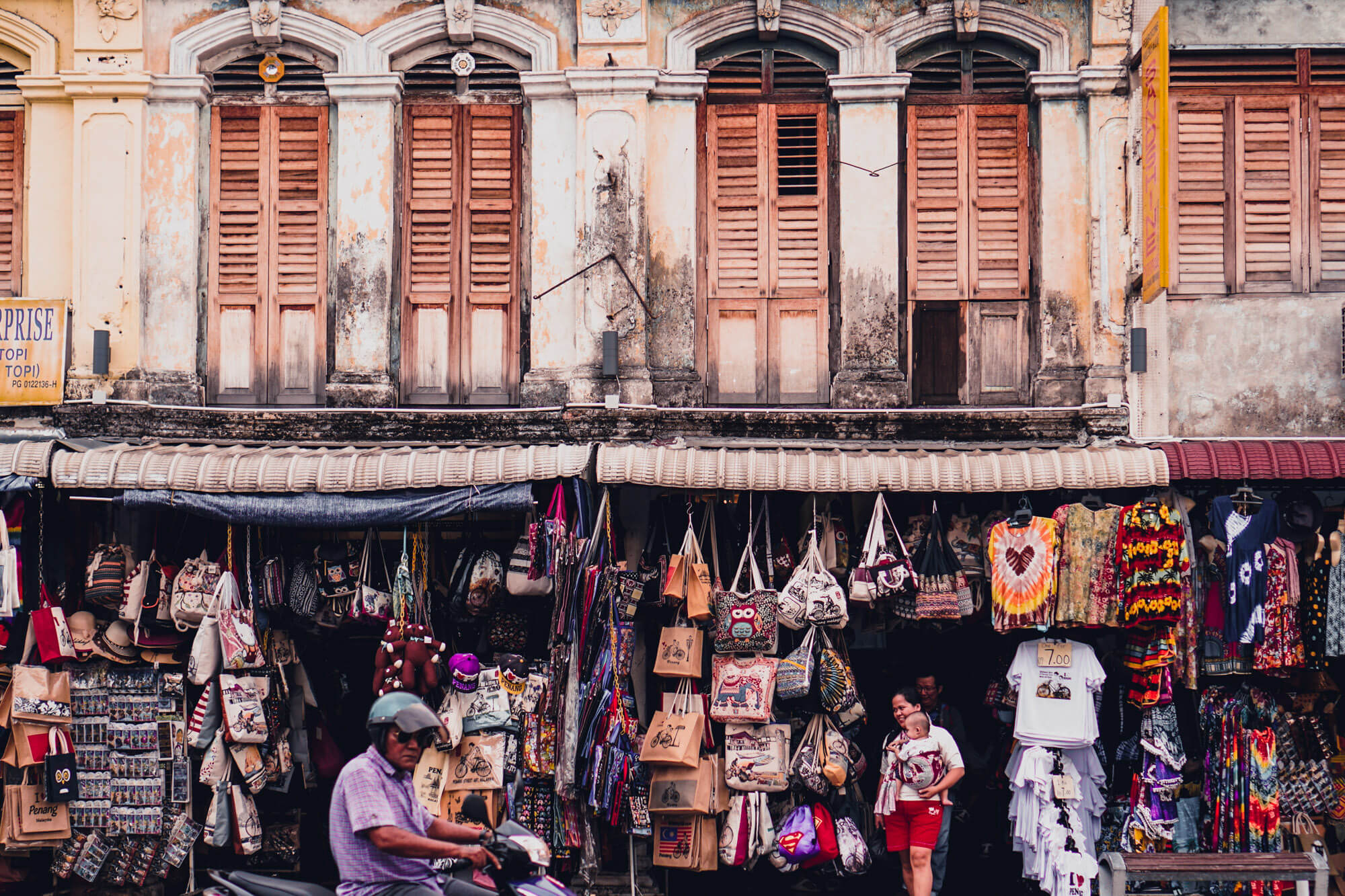
Just a stone’s throw from Central Market is Petaling Street, the vibrant heart of KL’s original Chinatown. Marked by a grand traditional archway, this bustling street is alive with the aroma of roasting chestnuts, sizzling Hokkien mee and century-old herbal teas. Amidst the lively stallholders bargaining with shoppers, you can still spot traditional double-storey shophouses that have stood for generations, keeping the spirit of KL’s early Chinese settlers very much alive.
Why a Heritage Walk is the Best Way to Explore
While KL’s modern trains are incredibly convenient, heritage is best experienced on foot. A walking tour allows you to slow down and absorb the subtle transitions between a colonial administrative square, an atmospheric mosque and the energetic alleyways of Chinatown. Walking lets you take in the architectural details up close, capture the perfect photos and stumble upon hidden gems, like the historic Sin Sze Si Ya Temple or Sri Mahamariamman Temple, that vehicles completely miss.
For easy entry into Kuala Lumpur's historical past, try this guided tour:
With this tour, guides will reveal the hidden secrets behind the facades, share fascinating historical anecdotes and seamlessly connect your city walk with a visit to the breathtaking limestone cliffs and vibrant steps of Batu Caves just outside the city centre.
Essential Tips for your KL Heritage Walk
Best Time to Visit
Start your walking tour early in the morning to beat both the midday heat and the afternoon crowds. This also gives you the perfect lighting for photographing the colourful steps at Batu Caves before heading into the historic colonial core.
Weather and Walking Considerations
KL’s tropical weather can be unpredictable. Pack a lightweight raincoat for sudden downpours, use plenty of sunscreen and keep a handheld fan (portable electric one is a lifesaver) with you to keep cool.
What to Wear
Wear comfortable, broken-in walking shoes, especially since exploring the full heritage trail and climbing steps involves a fair bit of walking.
Conclusion
Kuala Lumpur is far more than a stepping stone to other destinations. It is a living museum where the past and the future live side-by-side in beautiful harmony. By exploring its historic heart and sacred landmarks on foot, you will discover a rich tapestry of stories that define the warmth and diversity of modern Malaysia.
Ready to step back in time? Contact us via WhatsApp or email and we’ll help you plan a heritage experience that brings Malaysia’s architecture, culture and stories to life.