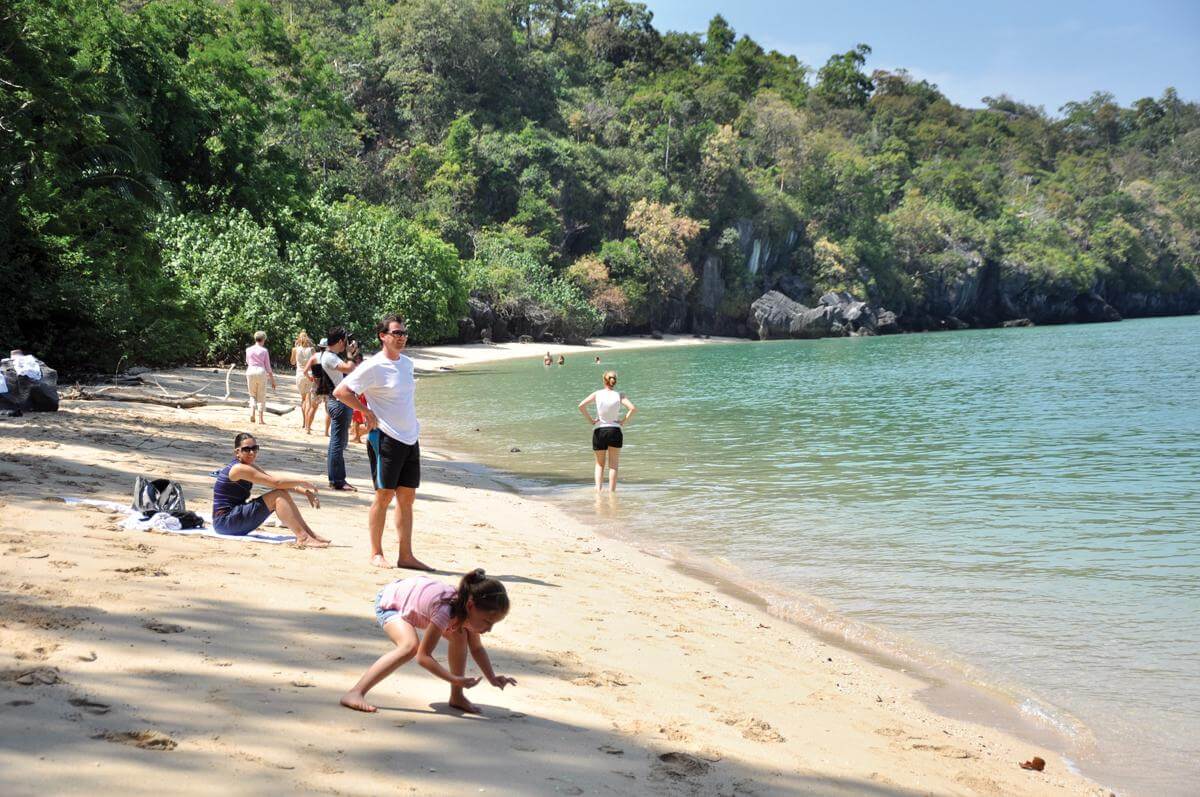
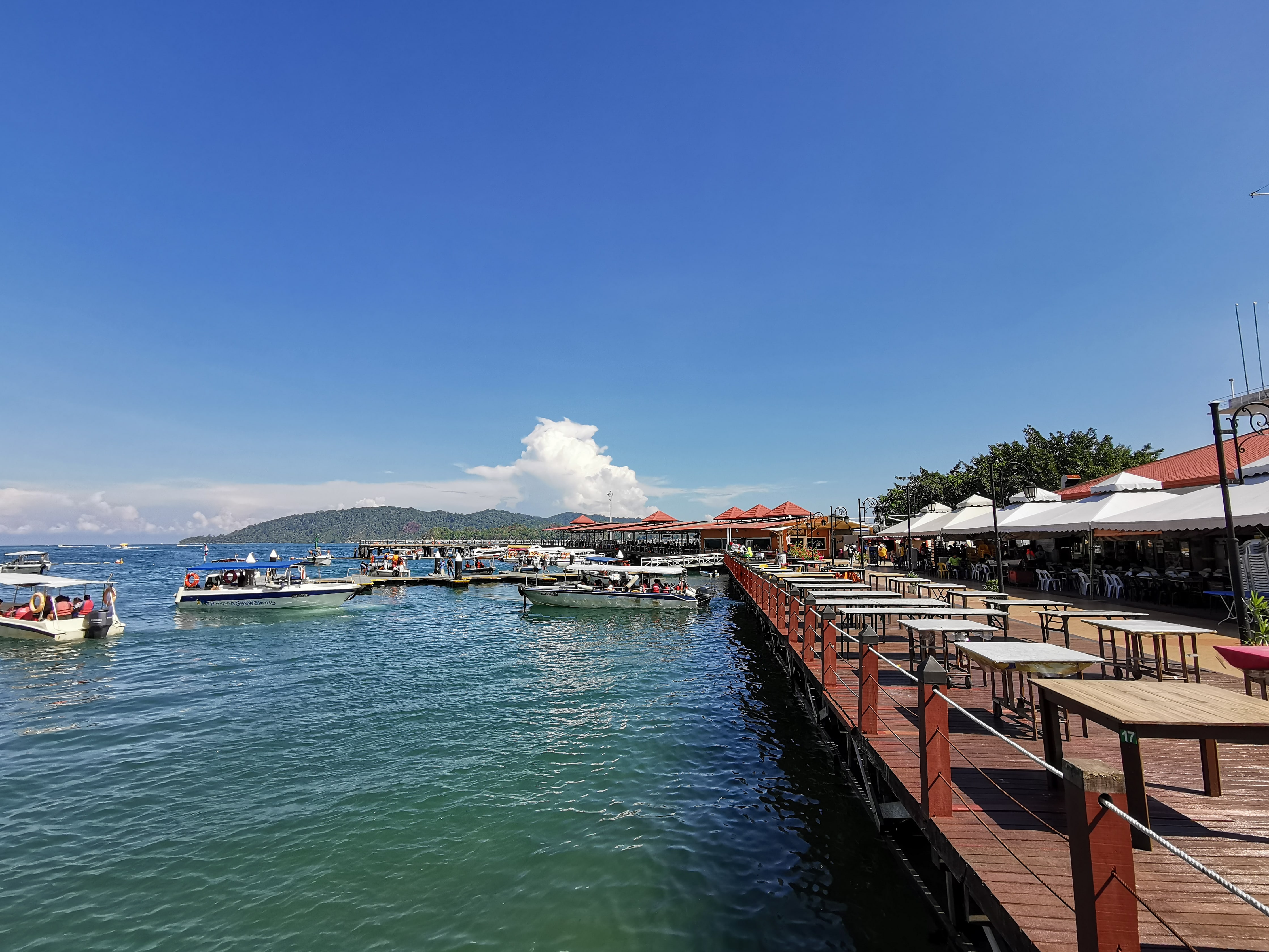
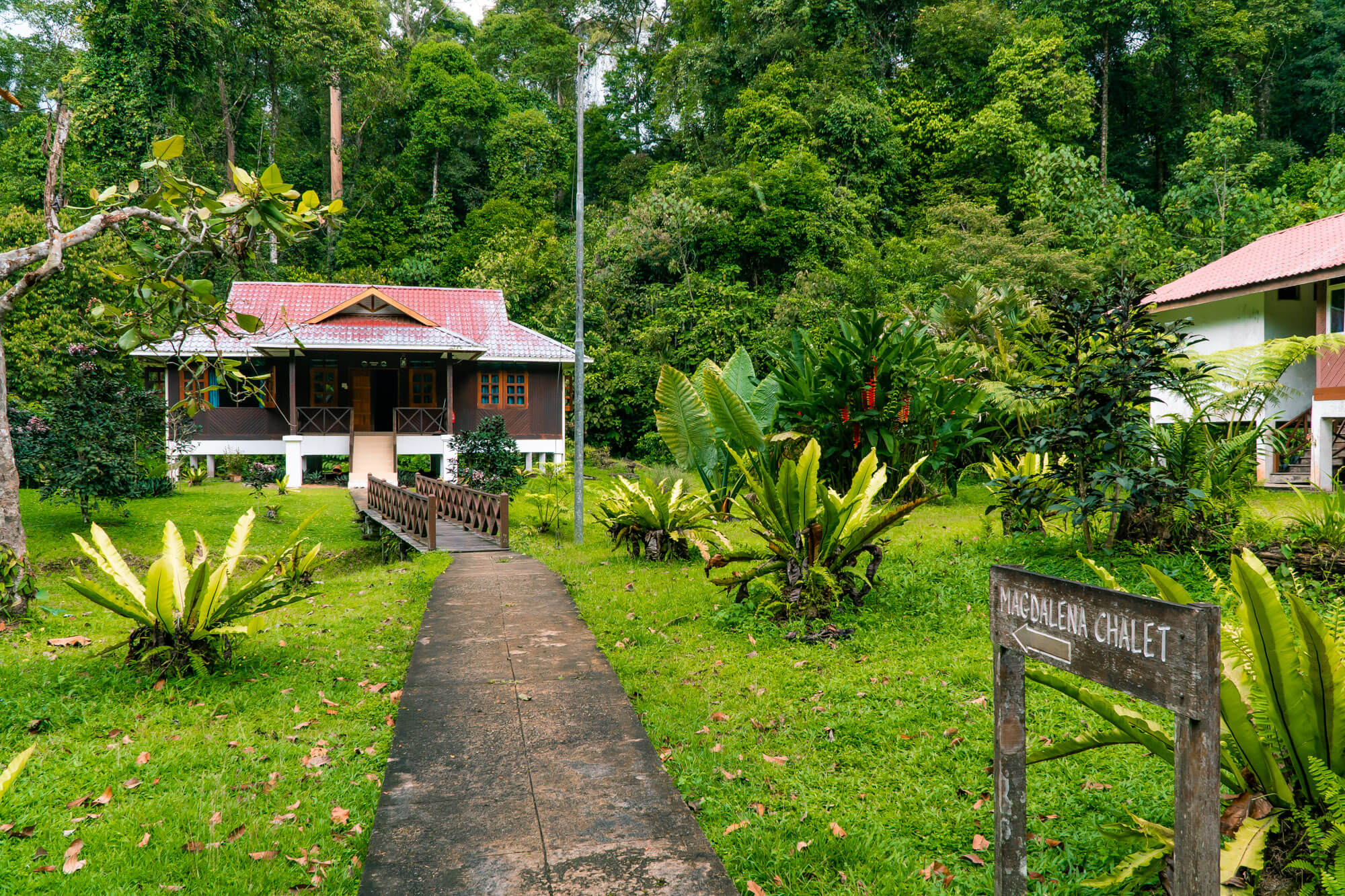
Established in 1957, Bako National Park is Sarawak’s oldest national park, with 7 distinct ecosystems packed into 27 km² of coast and forest. Just a short boat ride from Bako Village, the scenery changes quickly as mangroves edge the water and forested hills rise ahead.
Its proximity to Kuching makes a day trip easy, while staying overnight gives you more time for the trails, wildlife and quieter hours inside the park.
Quick Comparison
| | Day Trip | Overnight Stay |
|---|
| Best for | Shorter Kuching stays | Travellers who want a slower, more immersive visit |
| Trail time | 1 guided trail, with a second possible if conditions allow | Extended guided walks across multiple trails over 2 days |
| Wildlife | Wildlife spotting during the daytime | Extra time for wildlife watching in the early morning and late afternoon |
What a Day Trip Looks Like
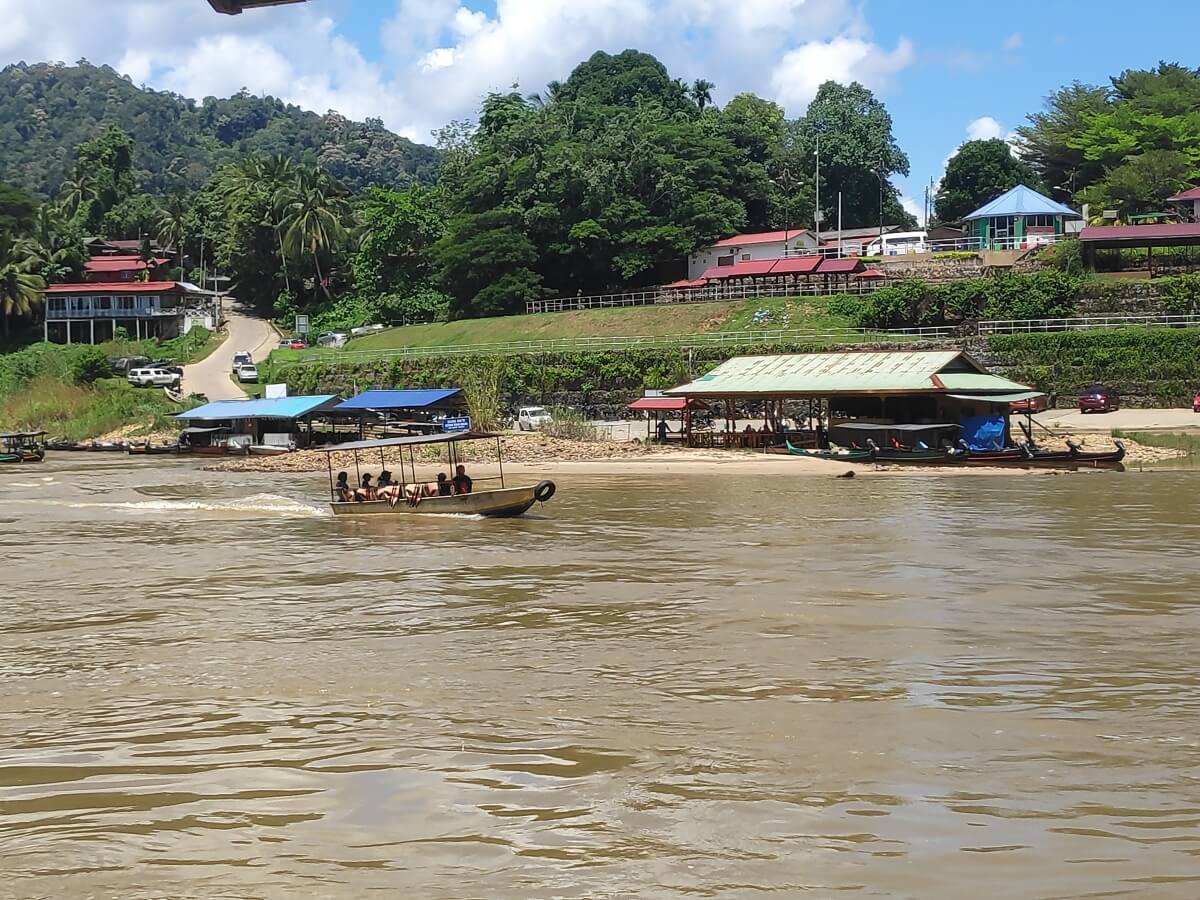
From Kuching, the journey starts by road to Bako Village before the final stretch continues by boat. Forested hills and Bako’s rugged coastline come into view as you approach the park.
Once ashore, the day continues along Bako National Park’s established trails, moving through habitats that can include mangroves, coastal vegetation and lowland rainforest. Proboscis monkeys, macaques, monitor lizards and birdlife are among the possible sightings along the way.
What Changes When You Stay Overnight?
With a night inside Bako National Park, the walking is spread across 2 days, leaving more time for different trails and habitats without the afternoon return boat shaping the whole visit.
By late afternoon, the park becomes quieter as many visitors make their way back to Kuching. Staying overnight means being there for the evening and waking to another morning surrounded by forest.
Those extra hours can also be rewarding for more wildlife watching. Other best-known residents of Bako include silvered langurs, bearded pigs and Sunda flying lemurs. Early morning and late afternoon can be active periods, though sightings always depend on natural conditions.
Accommodation is simple and practical, keeping the focus on the park itself and the extra time spent inside it.
Trails, Weather and When to Go
Bako has trails of different lengths and difficulty levels, so visiting doesn’t automatically mean committing to a full day of strenuous trekking. On a day trip, the route is shaped by the available time, weather, tides and group pace, while an overnight stay leaves more room for longer walks or several shorter trails. Trails can be uneven, muddy or slippery after rain.
Bako can be visited throughout the year. March to October is generally drier and often favoured for trekking, while heavier rain is more common from November to February. Rain can still fall at any time, and tides may also affect access to coastal trails.
Conclusion
A day trip still holds plenty of what makes Bako memorable, from the boat journey into rainforest trails, changing habitats and the possibility of wildlife along the way.
For travellers with only a few days in Kuching, that can be more than enough to make Bako feel worthwhile. If the park is one of the places you're especially looking forward to in Sarawak, staying overnight gives it a little more space on the trip and lets the experience unfold at an easier pace.
Planning a visit to Bako National Park? Email or WhatsApp our travel specialists to add it to the rest of your Sarawak trip.