Malaysia is relatively easy to travel around, but a few practical details can make a first trip much smoother. Weather changes by region, distances are not always as simple as they look, and some experiences benefit from a little more time.
Here are 12 things you'll be glad you knew before.
1. MDAC Before You Arrive
Most foreign visitors are required to submit the Malaysia Digital Arrival Card (MDAC) within 3 days before arriving, although exemptions apply. It is separate from any visa requirement that may apply to your nationality.
For the latest requirements and submission details, check the official Malaysian Immigration MDAC portal before your travel day.
2. Different Weather, Different Regions
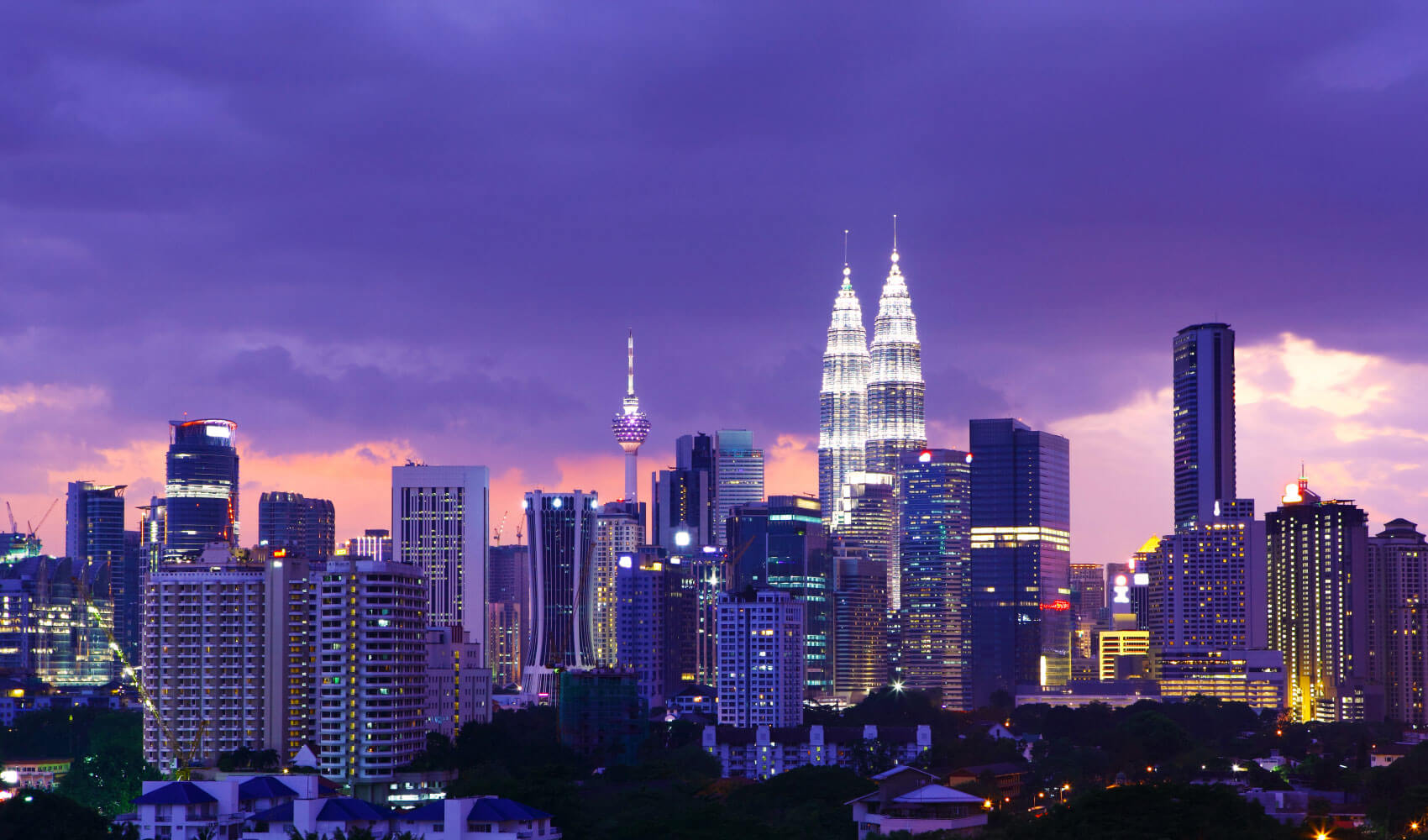
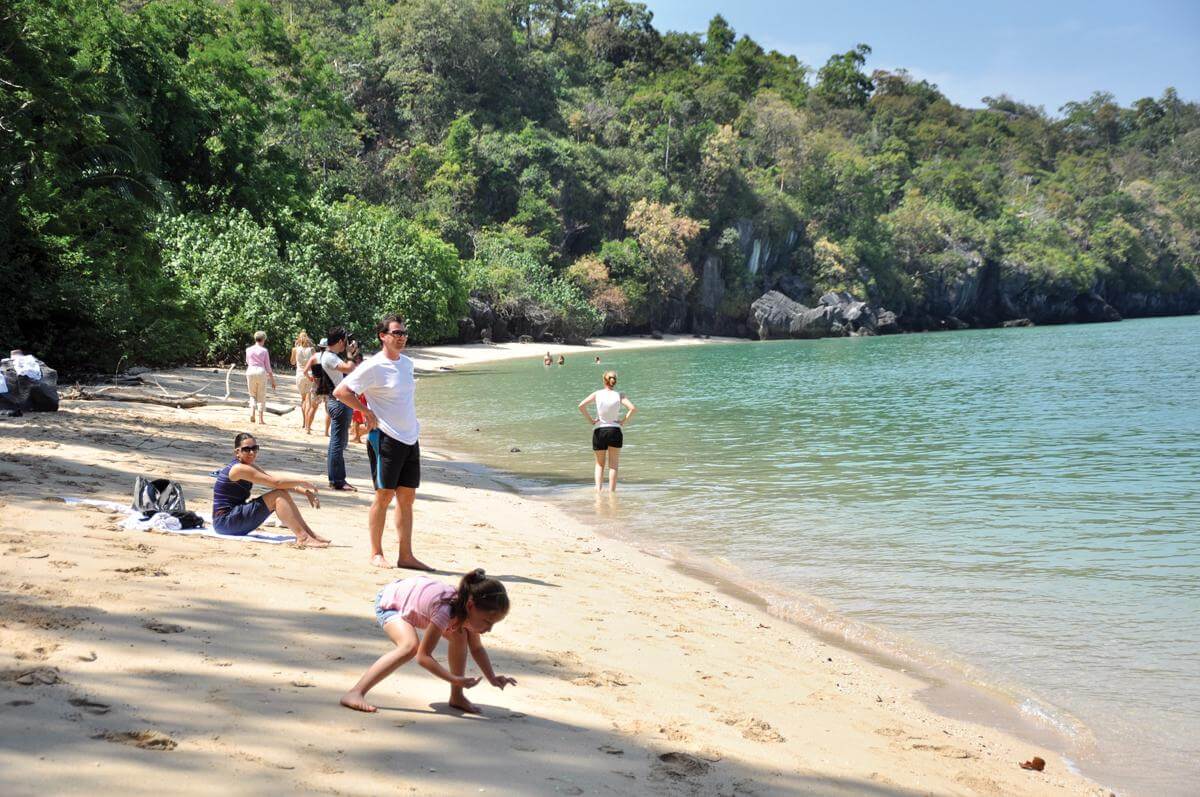
Searching “Malaysia weather in December” only tells part of the story. Kuala Lumpur, Langkawi, the East Coast islands and Malaysian Borneo do not all follow the same weather pattern, so a month that suits one beach destination may be less ideal for another.
The more useful question is which part of Malaysia suits your travel dates. Before locking in your route, checking Malaysia’s weather by region and travel style can make planning much easier.
3. Don't Dress for “Malaysia”
Malaysia does not fit neatly into either “conservative” or “relaxed”. What feels appropriate changes with the setting.
Shorts at the beach or shopping mall are a different context from entering a mosque, temple, traditional community or someone’s home. Carrying a light layer and something a little more covered is usually enough without planning an entirely separate wardrobe.
A quick look at Malaysian culture, customs and etiquette before your trip can also help with the situations visitors are most likely to encounter.
4. Check the Calendar Before You Go
Malaysia’s calendar brings together national and state holidays alongside Malay, Chinese, Indian and indigenous celebrations. Depending on your dates, that might mean Ramadan bazaars, Chinese New Year decorations, Thaipusam processions, Hari Raya celebrations or harvest festivals in Malaysian Borneo.
Transport, accommodation and roads can become busier around major festive periods, but that does not necessarily make them dates to avoid. If your trip overlaps with one, reading about Malaysia’s festivals and celebrations can help you see what might be happening while you are there.
5. The Map Is Only Half the Story
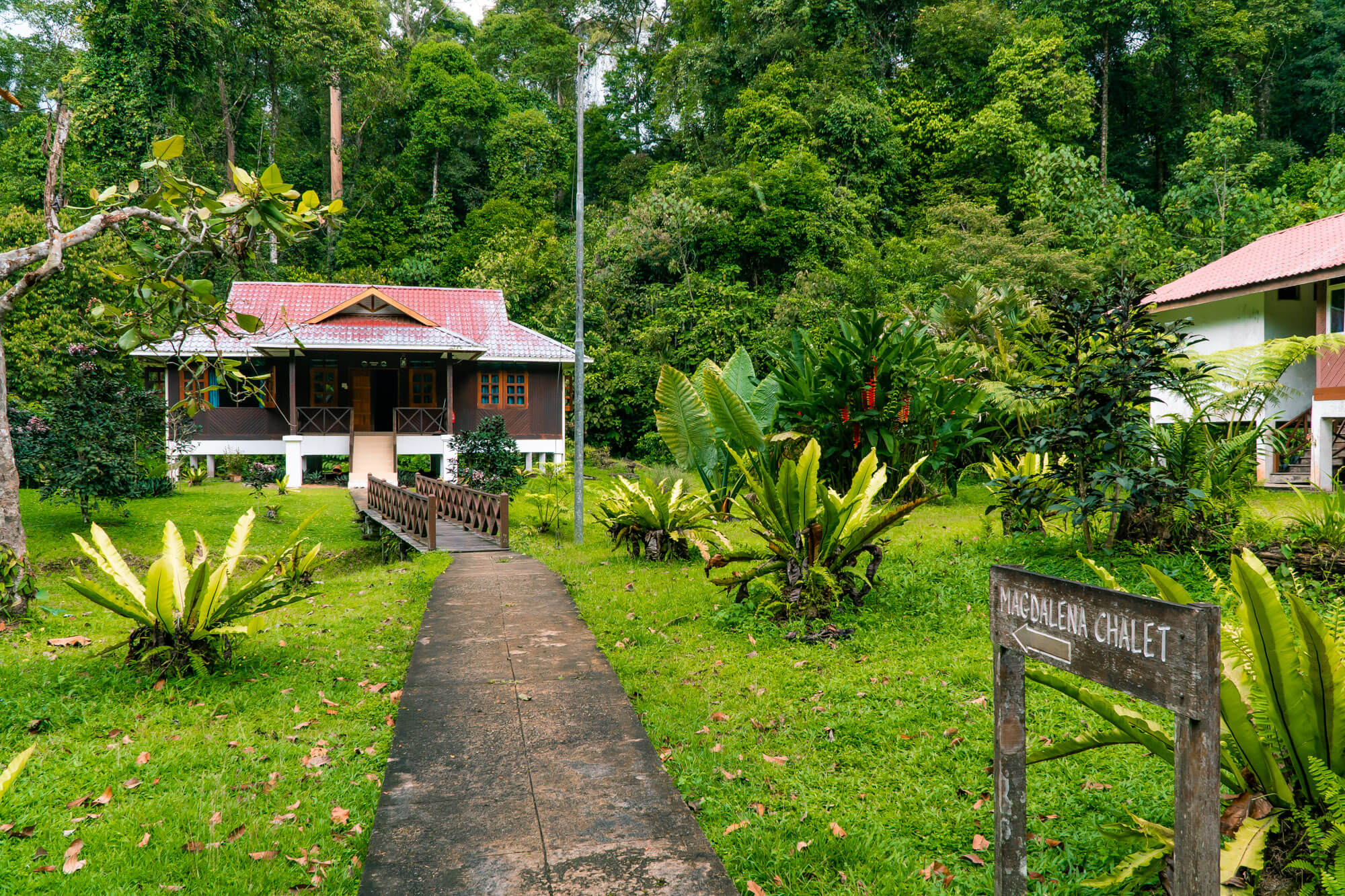
Malaysia is well connected, but distance is only part of the journey. An island, rainforest lodge or national park might add a road transfer, jetty or boat, while travelling through Sabah and Sarawak can introduce more domestic flights.
That is why 4 well-connected stops can sometimes feel easier than 7 squeezed together. If your route mixes flights, ferries and road transfers, it helps to check how to get around Malaysia before you book.
6. Give Sabah and Sarawak a Little More Time
It is easy to build a Peninsular Malaysia route first, then wonder if Malaysian Borneo can fit into the last few days.
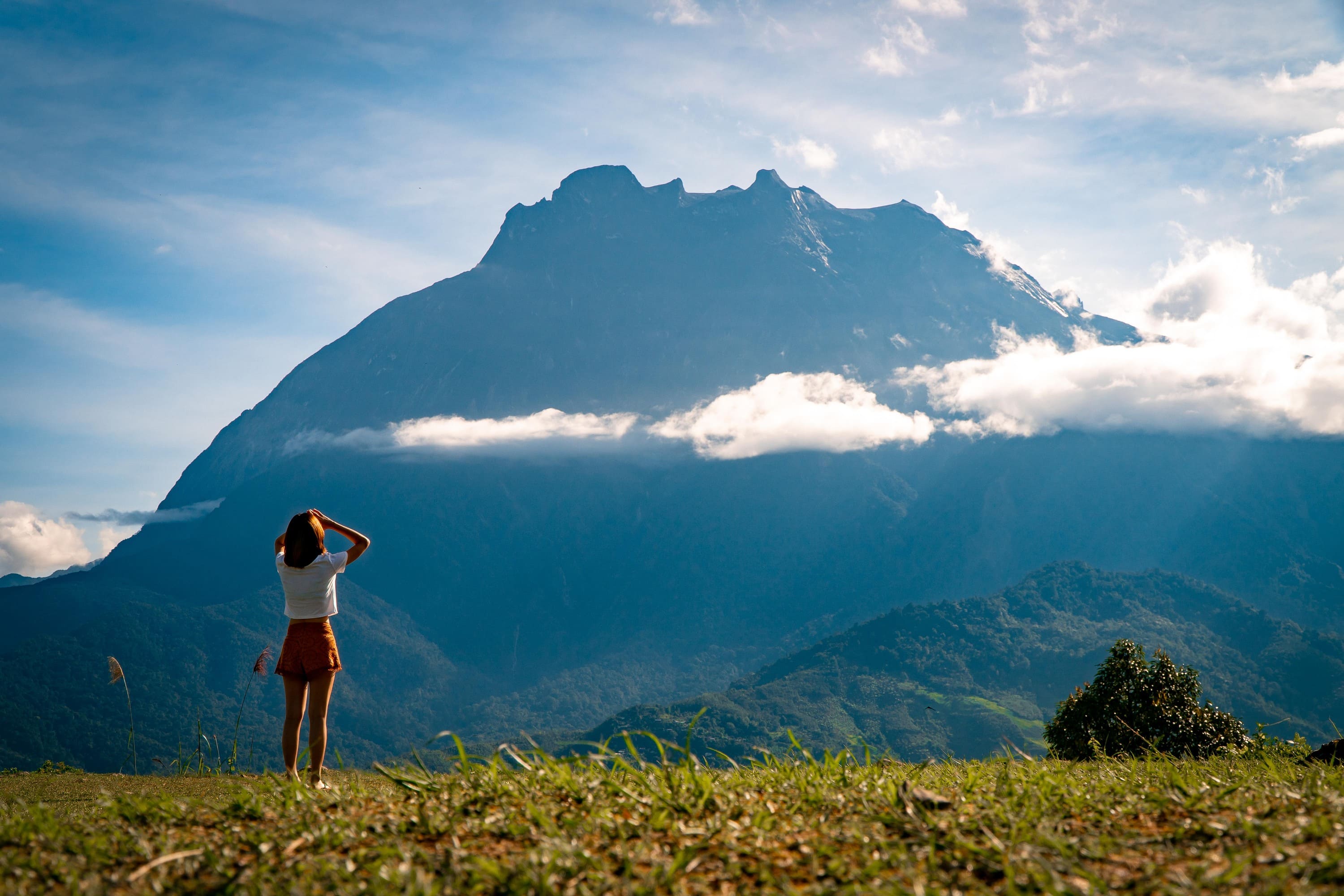
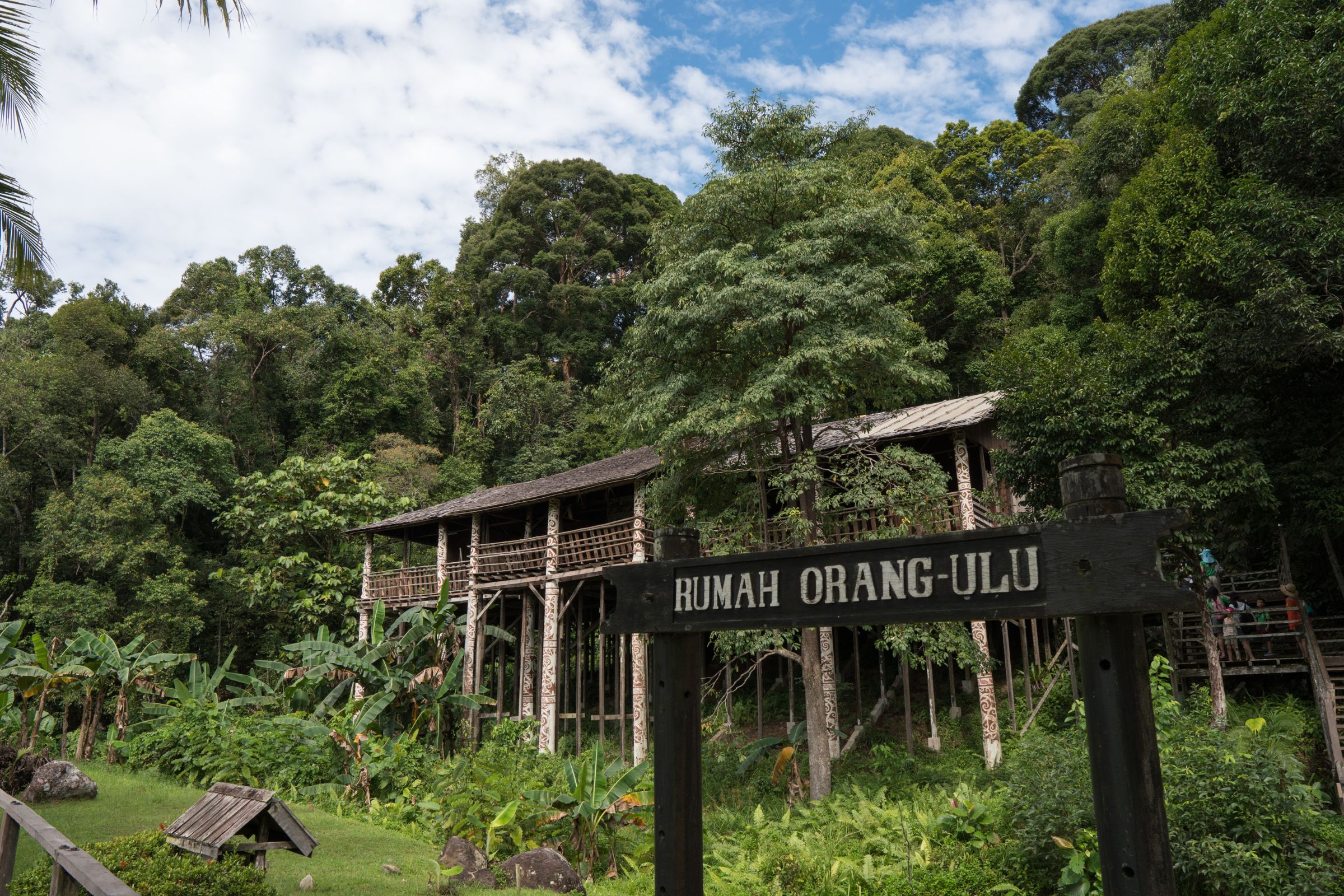
Sabah and Sarawak are easier to enjoy with a little more time. Kota Kinabalu, Kinabalu Park, Sepilok and the Kinabatangan River cover very different parts of Sabah, while Kuching and Bako work naturally together in Sarawak but Mulu Pinnacles involves another journey.
Extra time can change the experience too. Spending the night in Bako National Park gives you more time inside the park than a day visit. For a first trip, Borneo tends to feel less rushed when it has a proper place in the itinerary, with enough time to enjoy it properly.
7. Grab Makes City Travel Easy
Grab, Malaysia’s widely used ride-hailing app, makes short trips easy in Kuala Lumpur, Penang, Kuching, Kota Kinabalu and other major cities. Having mobile data helps too, whether you are checking maps, messaging your accommodation or finding the right pick-up point in a busy shopping centre.
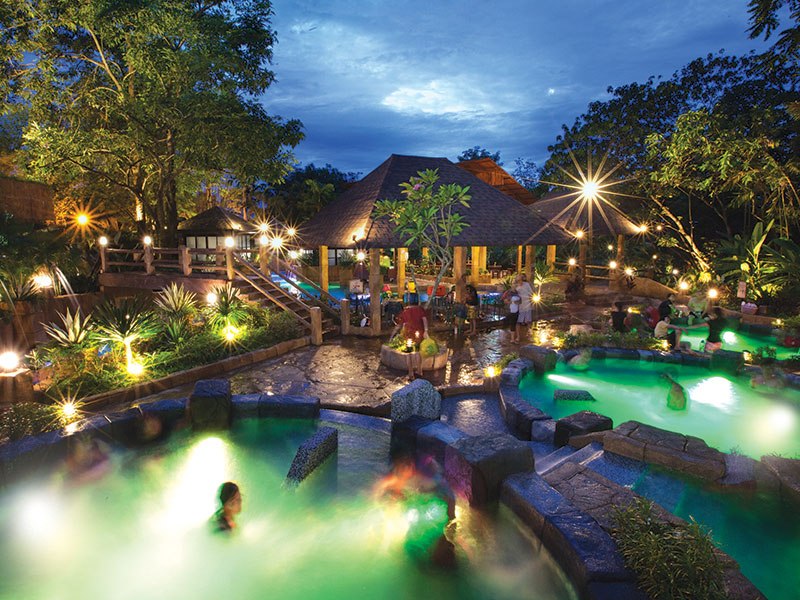
The picture changes outside the cities, where getting to a quieter attraction does not always guarantee an equally easy ride back. Arranged transport can be useful for those days. A Kinabalu Park & Poring Hot Spring day trip includes shared return transfers from Kota Kinabalu, taking that part of the journey out of your hands.
8. Mostly Cashless with Some Cash
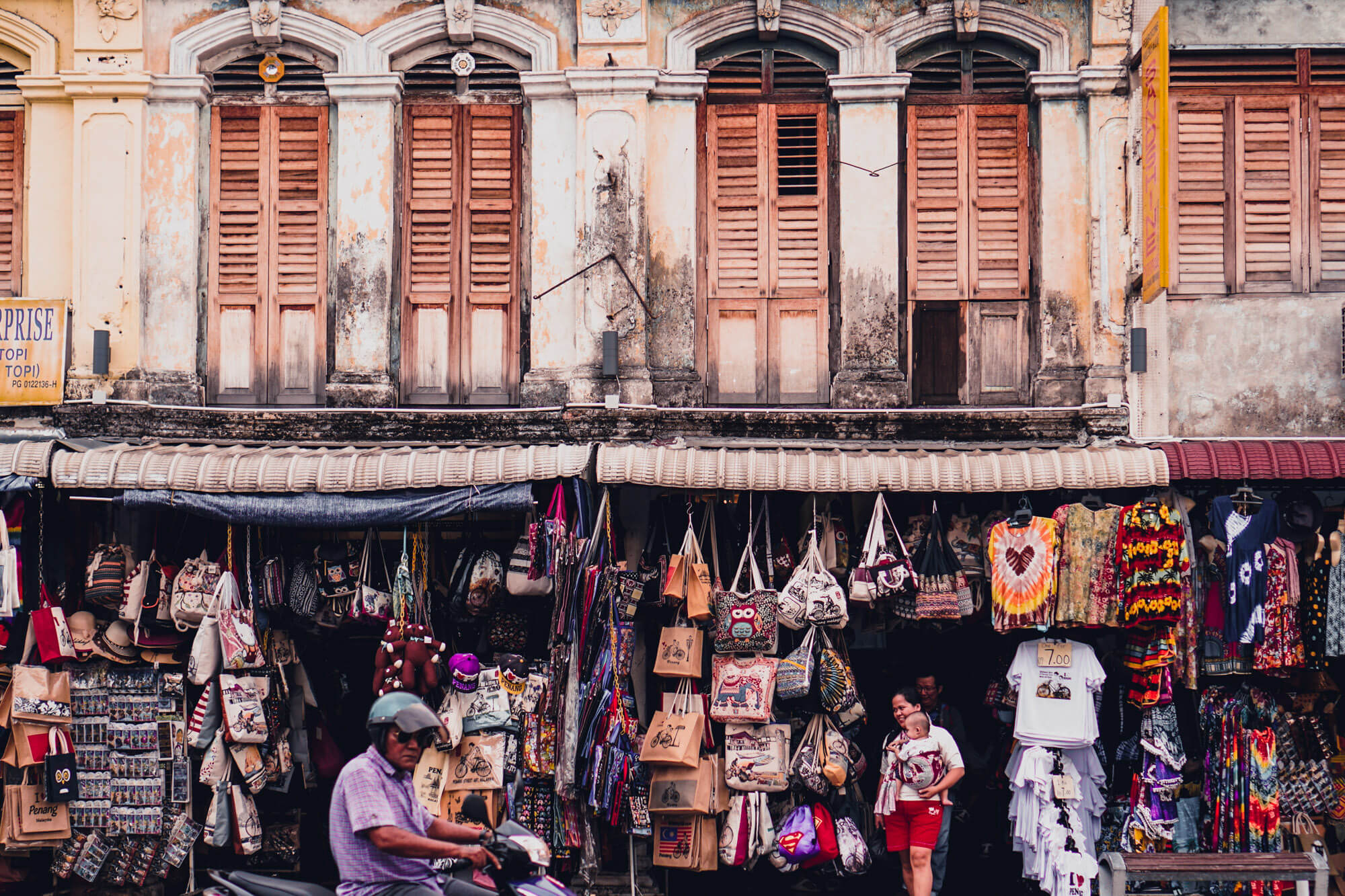
Cashless payments are widely used across Malaysia. Cards and QR payments are common in cities, shopping centres and restaurants, and QR codes are now a familiar sight even at many smaller stalls and local businesses.
Visitors may not be able to use every local QR payment option with a foreign account, so it is still worth carrying some Malaysian ringgit for places where cash is easier.
For most travellers, a working bank card plus a little cash offers plenty of flexibility.
9. Eat Like the Locals
One of the pleasures of travelling around Malaysia is discovering how much the food changes from place to place.
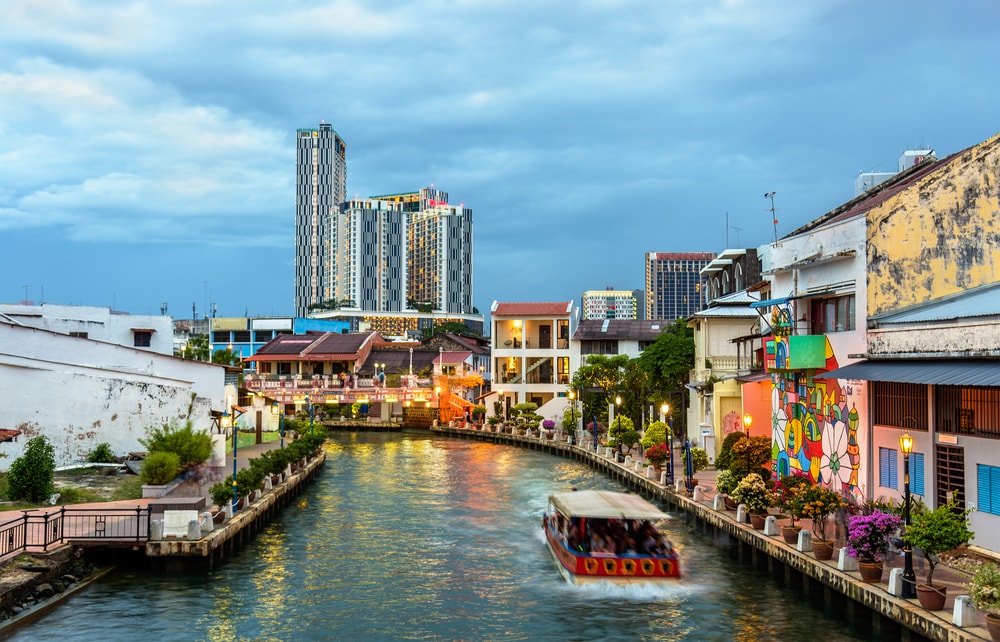
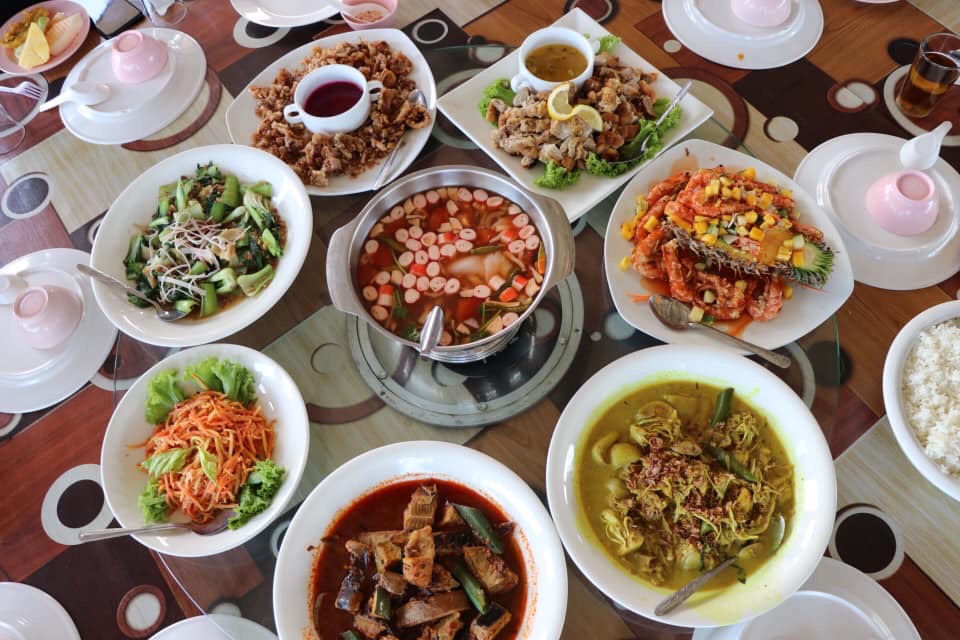
Penang brings char kway teow and asam laksa. Melaka adds strong Peranakan influences. Sabah has dishes such as hinava and Tuaran mee, while Kuching brings Sarawak laksa and kolo mee into the picture.
“What should I eat in Malaysia?” becomes much more interesting when it turns into “What should I eat here?” You can explore more of those regional differences through what to eat around Malaysia, while a Kuala Lumpur Night Food Trail can take some of the decision-making out of your first few evenings.
10. When a Guide Changes the Experience
Not every “must-do” in Malaysia needs a guide. George Town is lovely to wander, Kuala Lumpur rewards spontaneous detours and some beach days are nicest left completely unstructured.
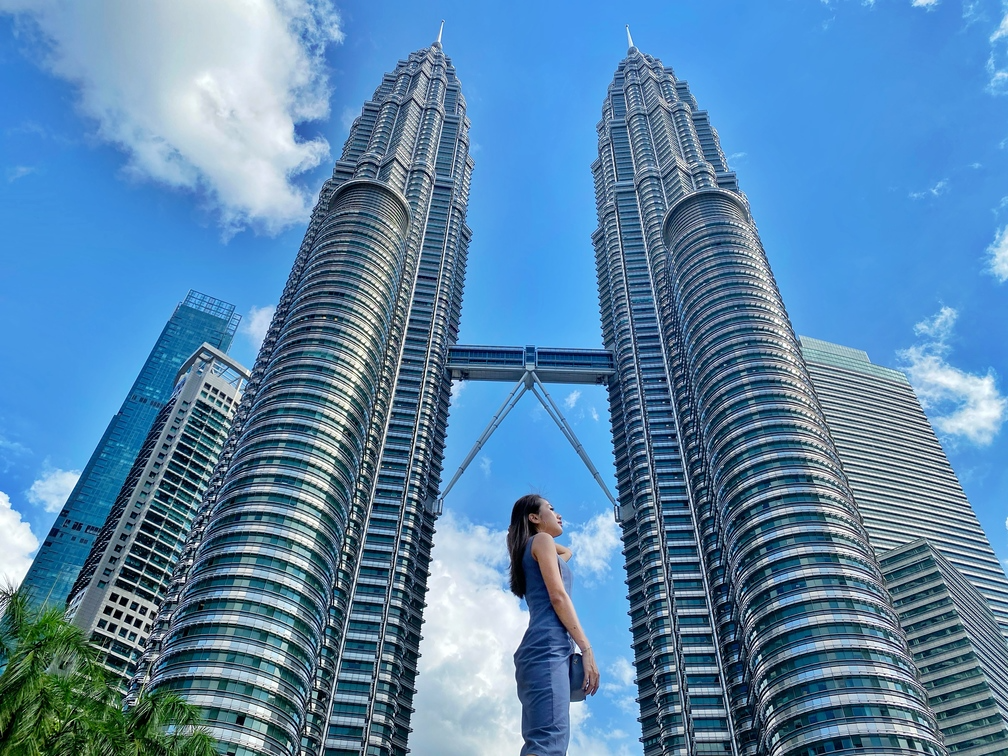
A guided experience earns its place when it adds local knowledge, specialist insight, access or help with trickier logistics. On a Langkawi Geopark mangrove wildlife tour, a local nature guide can bring the limestone geology, mangrove ecosystem and wildlife into focus. A Kuala Lumpur heritage walk connects temples, mosques, Chinatown and the historic core through the stories behind them, sometimes making the difference simply by giving a familiar-looking place more context.
11. Wildlife Keeps Its Own Schedule
Orangutans do not appear because it is Day 8. Pygmy elephants do not know you only booked one river cruise.
That unpredictability is part of seeing wildlife in Sabah and Sarawak. More time simply gives nature more opportunities to surprise you. A Kinabatangan River wildlife safari offers 2- or 3-day options, with multiple river cruises and Sepilok included. Each extra cruise gives you another chance to spot wildlife along the river.
12. The Half-Day You Didn’t Plan
A free half-day can feel like wasted space when you are planning from home, but it often becomes one of the easiest parts of the trip to enjoy. It leaves room to slow down, return somewhere you liked, wait out a tropical shower or simply see what you feel like doing once you are there.
If you are in Kuala Lumpur and suddenly want to fill a few hours, these neighbourhoods and sightseeing ideas can help without rebuilding the whole day. Some of the best travel days leave a little room for Malaysia to surprise you.
Ready for Your First Trip to Malaysia?
A little context can make travelling around Malaysia much easier. Knowing how weather changes by region, where journeys take longer than they appear, when cash is useful and which experiences deserve more time can take a lot of guesswork out of the planning.
With these basics in place, there's more freedom to let the trip unfold as you go. Some places may deserve more time than expected, plans can change along the way, and parts of Malaysia may simply become reasons to return.
Need help turning your saved places into a trip? Email or WhatsApp our travel specialists us and we’ll help you bring the pieces together.